Key Economic Trends Affecting Businesses 2023
Introduction
In today's ever-changing economic landscape, businesses must adapt swiftly to emerging trends. 2023 has brought about shifts that could impact businesses significantly. Understanding these trends is key to thriving in the competitive market.
Advertisement
Inflation and Interest Rates
One of the most pressing challenges for businesses is inflation. The increasing cost of goods and services affects purchasing power and profit margins. Coupled with rising interest rates, financing becomes more costly, influencing business expansion and investment decisions.
Advertisement
Supply Chain Disruptions
Global supply chain disruptions have persisted, impacting production timelines and costs. Businesses need to diversify suppliers and explore alternative logistics to mitigate delays. Flexibility and strategic planning are crucial to navigating these challenges.
Advertisement
Consumer Behavior Shifts
Consumer behavior continues to evolve, driven by technological advancements and changing preferences. Businesses must adapt to increased demand for online shopping and personalized experiences. Understanding customer insights and preferences is vital to staying relevant.
Advertisement
Sustainability and ESG Concerns
Sustainability has moved to the forefront, with businesses increasingly focusing on environmental, social, and governance (ESG) practices. Companies adopting sustainable practices not only contribute to the environment but also appeal to conscious consumers, enhancing brand reputation.
Advertisement
Technological Advancements
Rapid advancements in technology, such as artificial intelligence and automation, are transforming business operations. Integration of new technologies can enhance efficiency and productivity. However, businesses must invest in training and infrastructure to leverage these advancements fully.
Advertisement
Remote and Hybrid Work Models
The shift towards remote and hybrid work environments has redefined office dynamics. Companies must invest in digital infrastructure and employee well-being to ensure productivity. Balancing remote work flexibility with collaboration is critical for future success.
Advertisement
Geopolitical Tensions
Geopolitical tensions can create uncertainty in global markets, influencing trade policies and economic stability. Businesses should prioritize risk management strategies and international diversification to mitigate potential impacts on operations and investments.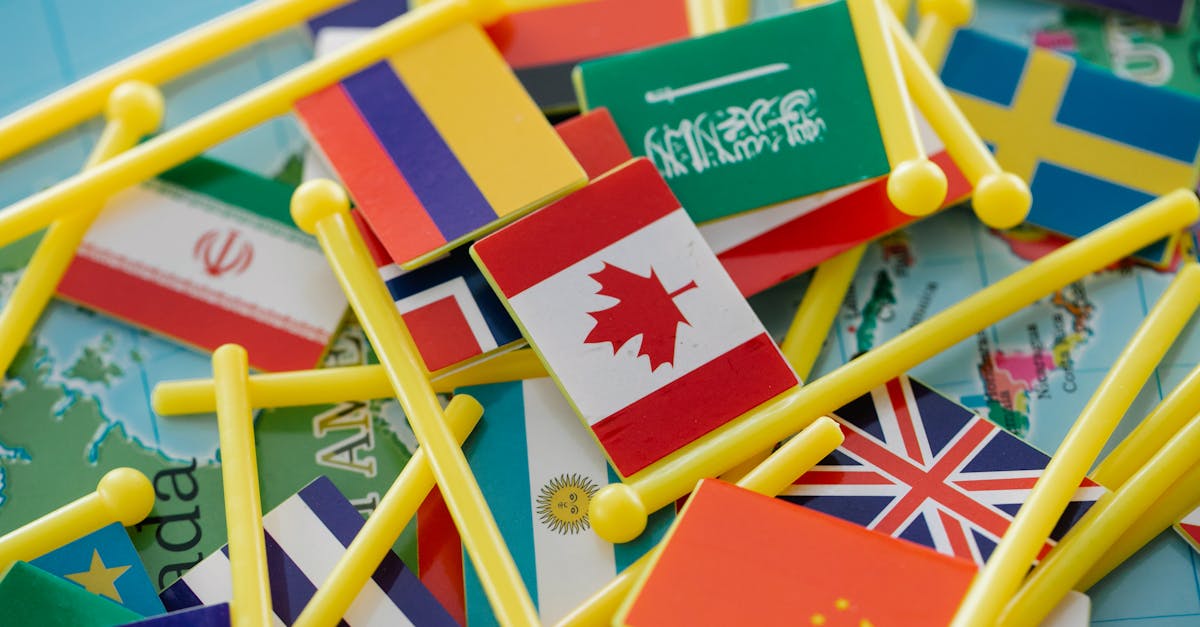
Advertisement
Labor Market Dynamics
Navigating labor market volatility is challenging, with businesses facing workforce shortages and skill gaps. Companies need to invest in workforce development and retention strategies to ensure they attract and retain top talent, minimizing operational disruptions.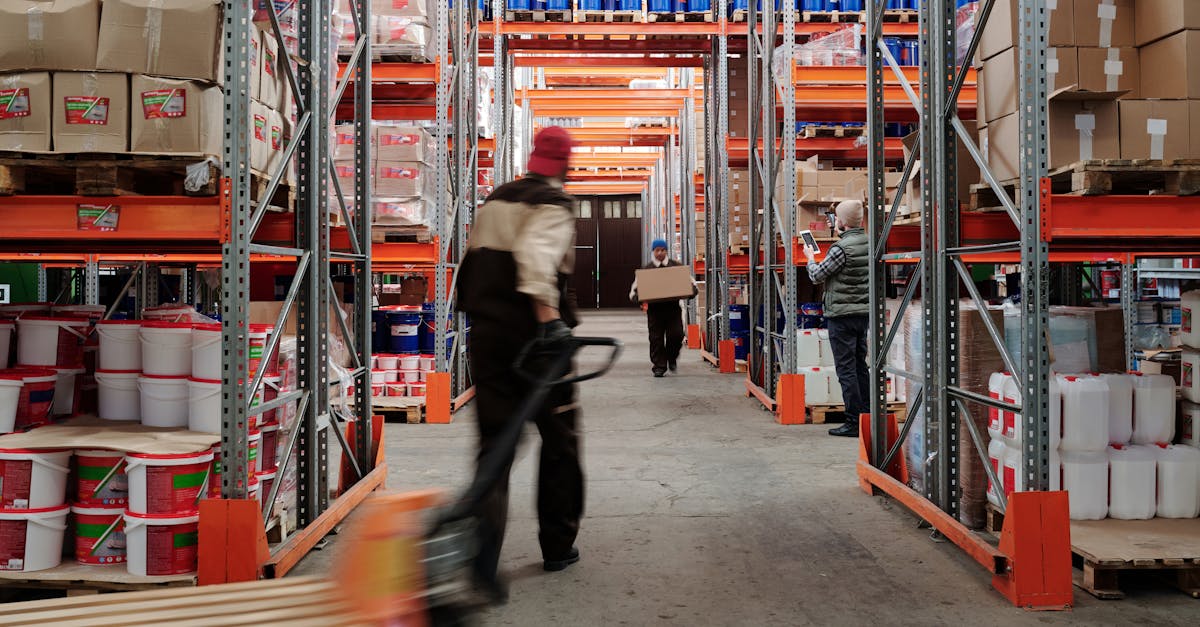
Advertisement
Conclusion
In conclusion, businesses face several economic trends in 2023 that demand strategic adaptation. From inflationary pressures to technological integration, staying informed and agile is crucial. By addressing these trends proactively, businesses can position themselves for long-term success.
Advertisement