New Developments in Global Politics and Trade
Introduction
In today's interconnected world, politics and trade play pivotal roles in shaping global economies and diplomatic relations. Recent years have witnessed significant developments in these areas, with new alliances and trade policies emerging. Understanding these changes is crucial for stakeholders and citizens alike.
Advertisement
Changing Political Alliances
The global political landscape is continually evolving, with countries forming new alliances and revising old ones. The strategic partnerships between Asia and Africa signal a shift towards multipolarity. This reorientation challenges traditional Western dominance in global politics, urging countries to adapt to new alliances and cooperation forms.
Advertisement
Rise of Trade Blocs
New trade blocs, such as the Regional Comprehensive Economic Partnership (RCEP), are reshaping global trading patterns. With its 15-member countries, RCEP is now the world's largest free-trade agreement, further integrating Asian economies. This bloc aims to reduce tariffs and promote seamless trade across borders, benefiting member nations economically.
Advertisement
Impact of Digital Trade
Digital trade continues to gain momentum, significantly affecting international commerce. E-commerce removes geographical barriers, allowing businesses to reach global customers effortlessly. However, this rise poses challenges, such as ensuring data security and creating unified digital trade regulations that all countries can abide by.
Advertisement
Trade Tensions and Tariffs
Persistent trade tensions, notably between major economies like the US and China, have led to fluctuating tariffs and disrupted supply chains. These tensions force businesses to reconsider their strategies, shifting towards diversified sourcing to mitigate risks and potential economic setbacks.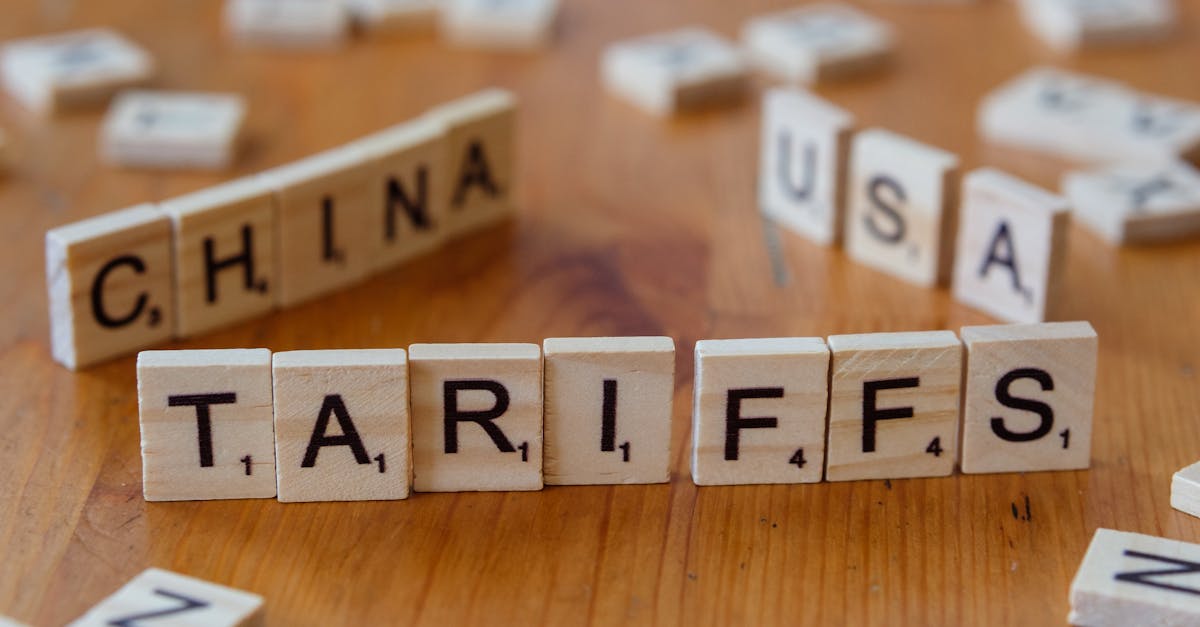
Advertisement
Climate Change and Trade
Environmental sustainability has become a core focus in global trade discussions. Nations are increasingly adopting green trade policies, promoting sustainable production and consumption. Climate change agreements impact trade, influencing decisions on carbon taxes and environmentally responsible trade practices.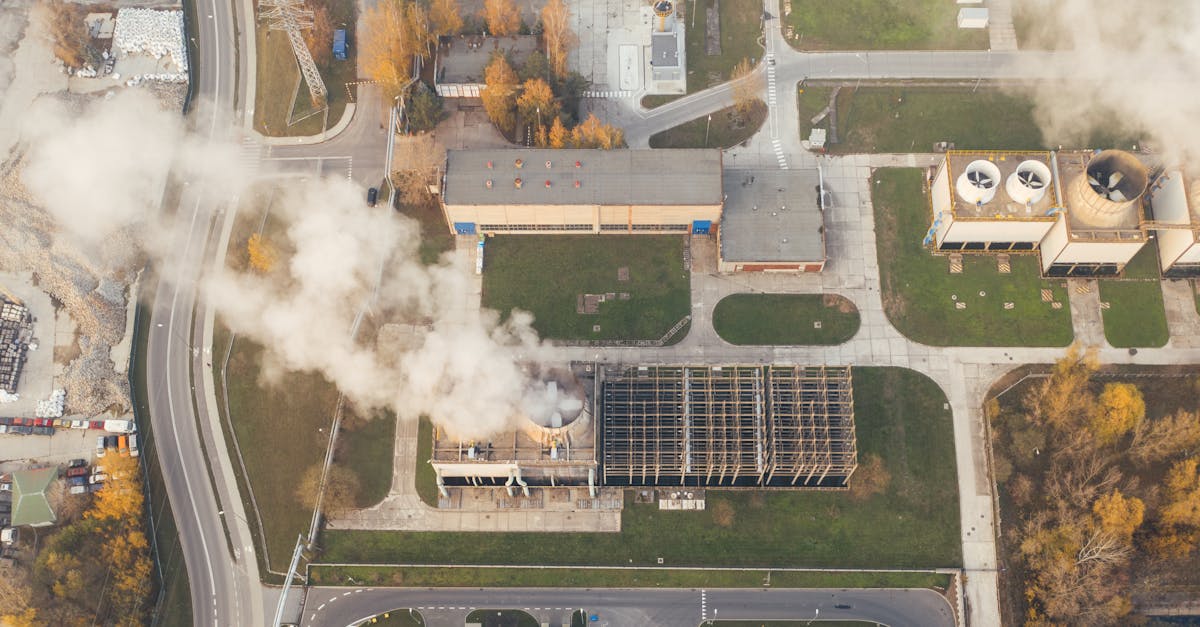
Advertisement
Emerging Markets
Emerging markets are reshaping global trade dynamics through rapid industrialization and economic growth. Countries like India and Brazil are enhancing their global competitiveness, drawing attention from international investors. Such markets present opportunities for businesses seeking diversification and expansion.
Advertisement
Political Instability
Political instability remains a challenge, affecting trade routes and supply chain reliability. Conflicts and regional instability can lead to economic uncertainty, deterring investment and trade. This situation calls for diplomatic interventions to restore stability and create conducive environments for trade growth.
Advertisement
Technological Disruptions
Technological advancements are reshaping global trade, from blockchain logistics to automation in manufacturing. These innovations increase efficiency but also require policy adjustments to address labor market disruptions. Such technological shifts highlight the need for international cooperation in setting new trade standards.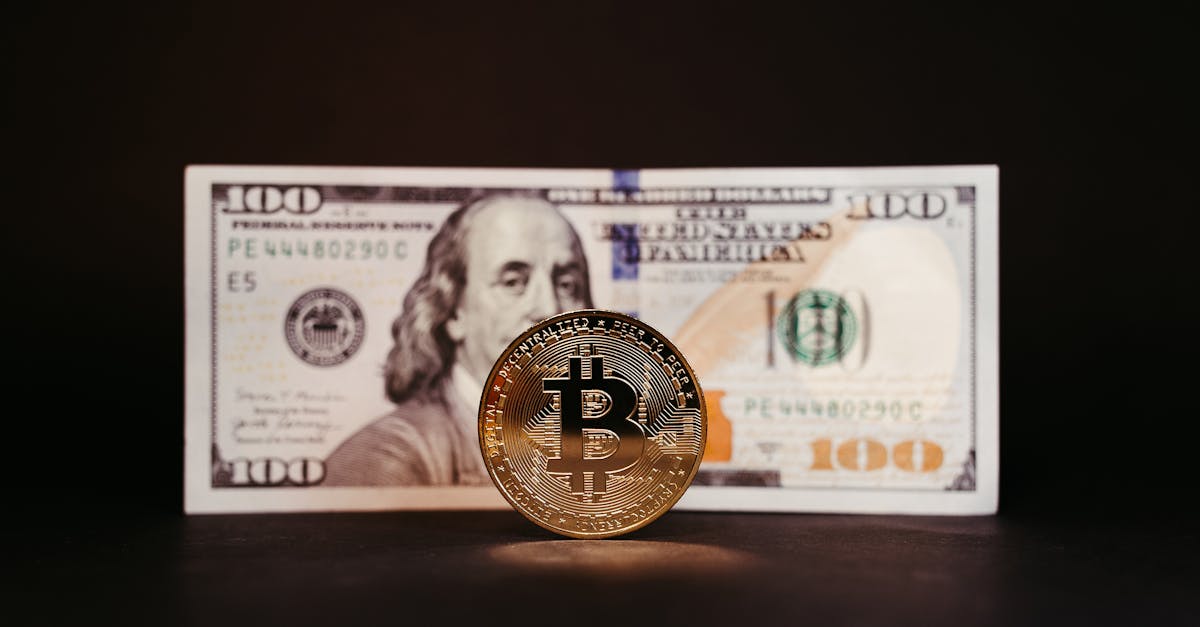
Advertisement
Conclusion
The global political and trade environments are undergoing profound changes, driven by new alliances and technological advancements. While these developments present opportunities for economic growth, they also pose challenges in maintaining stability and equitable growth. Staying informed and adaptive is crucial for navigating this complex landscape.
Advertisement