Breakthroughs In Cancer Treatment Research
Introduction
Cancer research has made immense strides, providing renewed hope for millions worldwide. Recent breakthroughs in treatment options have introduced more precise and less invasive methodologies. Understanding these advancements can revolutionize our approach to combatting this formidable disease.
Advertisement
Immunotherapy: Harnessing the Body's Defense
Immunotherapy represents a significant leap in cancer treatment by utilizing the body's immune system to attack cancer cells. This approach, including immune checkpoint inhibitors, has shown considerable success, particularly against cancers like melanoma and certain types of lung cancer. Researchers continue to explore its potential, aiming to improve patient outcomes significantly.
Advertisement
Personalized Medicine: Tailoring Treatment
Personalized medicine, or precision medicine, focuses on customizing cancer treatment based on an individual's genetic makeup. By analyzing genetic mutations, oncologists can tailor therapies that specifically target cancer cells while minimizing harm to healthy cells. This development promises more effective and less-toxic treatment options.
Advertisement
Targeted Therapies: Precision in Action
Targeted therapies pinpoint specific molecules involved in cancer growth and progression. Drugs such as tyrosine kinase inhibitors have proven effective against various cancers by blocking pathways crucial for tumor growth. This nuanced approach minimizes damage to the surrounding healthy cells, potentially reducing side effects.
Advertisement
CAR T-Cell Therapy: Engineering Immune Cells
CAR T-cell therapy involves modifying a patient's own T-cells to better recognize and target cancer cells. This personalized approach has shown remarkable success in treating certain blood cancers, offering hope for more expanded applications. The science behind this therapy continues to advance with ongoing clinical trials and research.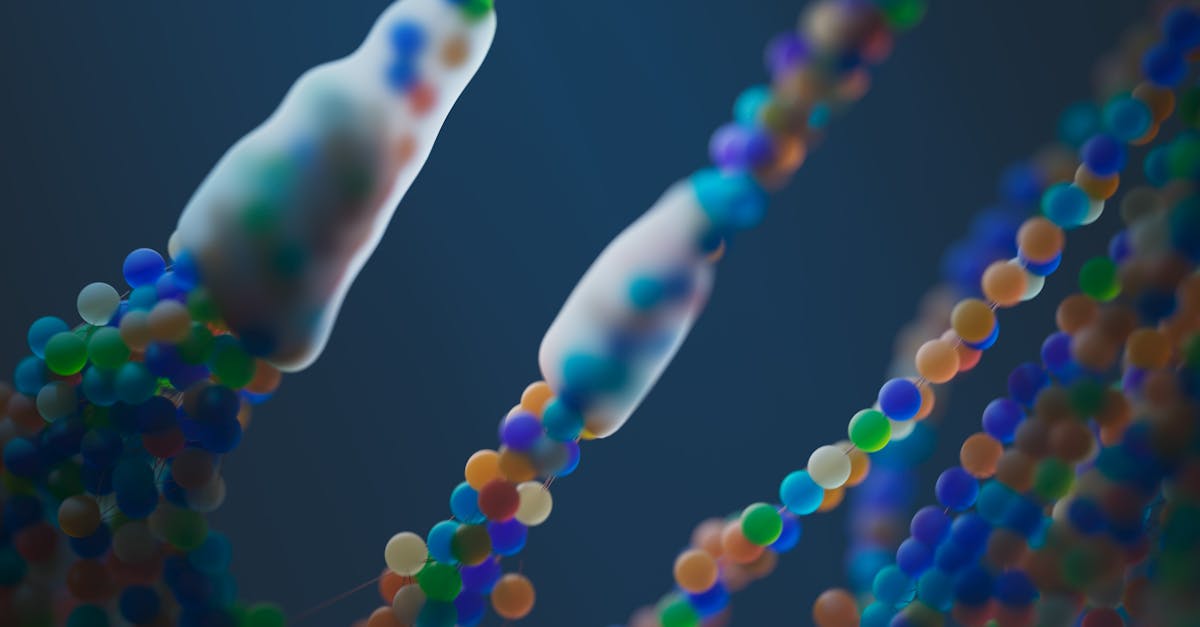
Advertisement
CRISPR Technology: Gene Editing Revolution
CRISPR, a groundbreaking gene-editing tool, holds the potential to eradicate genetic mutations associated with cancer. By precisely modifying DNA sequences, researchers aim to correct mutations that drive cancer growth. Though in its early stages, CRISPR's potential in cancer treatment is vast and highly promising.
Advertisement
Nanotechnology: Small Particles with Big Potential
Nanotechnology employs nanoparticles to deliver drugs directly to cancer cells, enhancing therapy efficacy and reducing systemic side effects. Like tiny delivery vehicles, these particles can carry chemotherapy drugs or genetic material to target tumors more precisely, offering a highly targeted attack on cancer cells.
Advertisement
Liquid Biopsies: Revolutionizing Diagnosis and Monitoring
Liquid biopsies enable the detection and analysis of cancer-related genetic material circulating in the bloodstream. This non-invasive technique facilitates early diagnosis, monitoring treatment progress, and identifying potential relapses. It provides a dynamic insight into cancer's behavior, paving the way for timely interventions.
Advertisement
Artificial Intelligence: Advancing Diagnostics
AI has emerged as a powerful tool in cancer research, particularly in diagnostics and treatment planning. By analyzing vast datasets, AI systems can identify patterns and predict outcomes, aiding in treatment decisions. Ongoing advances in AI promise to revolutionize how oncologists detect, monitor, and treat cancer.
Advertisement
Conclusion
These groundbreaking advances in cancer treatment showcase the impressive strides made in research. From personalized treatments to innovative technologies, the future of oncology looks promising. Continued research and collaboration hold the key to battling cancer more effectively, bringing us closer to a cure and transforming millions of lives worldwide.
Advertisement