Unveiling the Links Between Drinks and Lung Cancer
Introduction: Drinks and Lung Cancer
Lung cancer remains one of the most aggressive and feared types of cancer, affecting millions worldwide. Traditionally linked to smoking and environmental factors, a lesser-known potential contributor is the consumption of certain beverages. While this connection may seem unexpected, emerging research indicates that some drinks may play a role in exacerbating lung cancer risk. This article aims to shed light on nine such drinks and explores the science behind their link to lung cancer. Understanding these connections can empower individuals to make informed dietary choices. Although not the primary cause of lung cancer, these drinks may contribute to the disease's development or progression.
Advertisement
Sugary Soft Drinks: The Hidden Dangers
Sugary soft drinks have long been critiqued for their adverse health impacts, including obesity and diabetes. Recent studies suggest these beverages might also increase lung cancer risk. High sugar content can lead to systemic inflammation, a known precursor for cancerous growths. Soft drinks are often laden with artificial colors and flavors that potentially contain carcinogenic compounds. Furthermore, excessive sugar alters the body's insulin response, disrupting hormonal balances and creating an environment where cancer cells can thrive. It's essential to approach soft drink consumption with caution given the numerous health risks involved.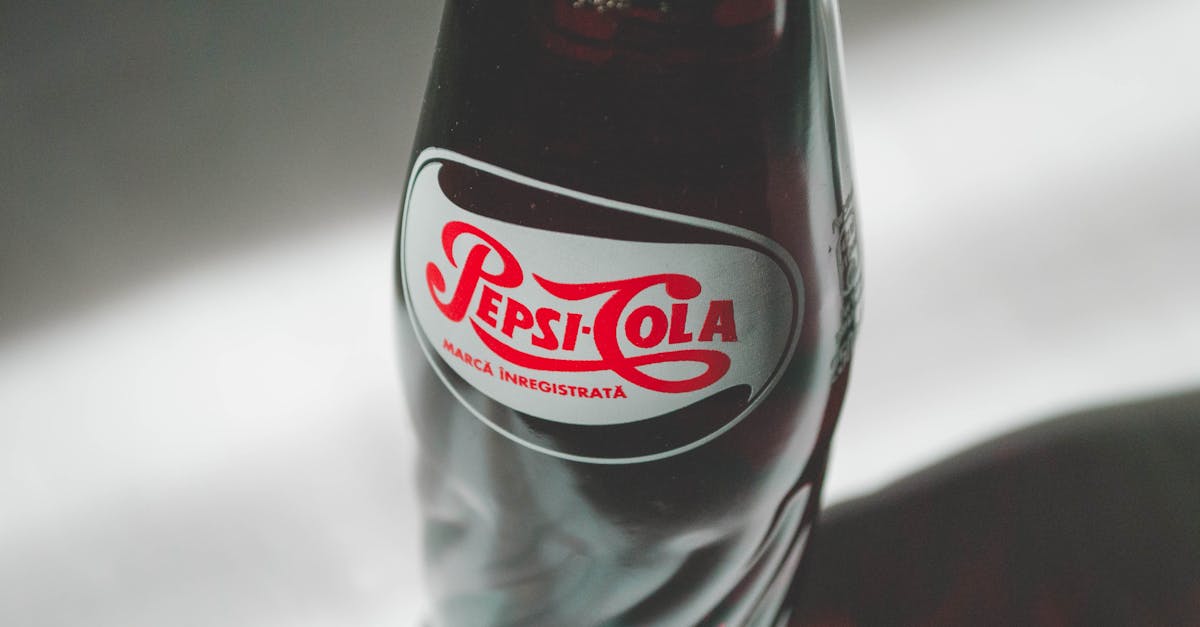
Advertisement
Alcohol: More Than Just Liver Concerns
Alcohol's role in cancer development is well-documented, with notable associations with liver, breast, and colorectal cancers. Recent studies indicate that heavy alcohol consumption could elevate lung cancer risk, particularly among smokers. Alcohol can damage DNA, a critical step in the cancer formation process. Additionally, it can impair the body's immune response, decreasing its capacity to fend off potentially cancerous cell changes. While moderate drinking might carry lesser risks, it's essential to be aware of alcohol's broader implications on overall health, including lung cancer.
Advertisement
Energy Drinks: The Onset of Unseen Threats
Energy drinks, popular for their immediate stimulant effects, pose a potential risk that goes beyond sleep disruption. The high caffeine and sugar content can lead to increased oxidative stress, a condition crucial in the development of cancers, including those affecting the lungs. Ingredients such as artificial sweeteners and preservatives in energy drinks are under scientific scrutiny for their potential carcinogenic impacts. Regular consumption can lead to metabolic imbalances, creating a favorable environment for lung cancer. Moderation is key, and alternatives like natural energy boosters could be safer options.
Advertisement
Diet Sodas: A Misleading Safe Choice
Many turn to diet sodas as a calorie-free alternative, believing them to be a healthier choice. However, the artificial sweeteners, such as aspartame and saccharin used, are linked to possible cancer risks. Animal studies have shown mixed results about these sweeteners inciting cancerous changes, leading researchers to recommend further study on their role in human cancers. Despite being marketed as diet-friendly, diet sodas might have hidden risks, prompting consumers to rethink their consumption frequency.
Advertisement
High Grate Tea and Coffee: Unexpected Risks
Tea and coffee, consumed worldwide for a plethora of benefits, may carry a lung cancer risk if improperly harvested or prepared. Certain tea leaves and coffee beans may contain pesticides and chemical residues linked to cancer. Additionally, high-temperature brewing releases acrylamide, a potential carcinogen. While moderate consumption of high-quality tea and coffee can provide antioxidants, it's crucial to source these beverages from reputable suppliers to minimize health risks. Paying attention to preparation methods can also significantly reduce potential dangers.
Advertisement
Canned Juices: Beyond Freshness Concerns
Canned fruit juices, often perceived as a healthy option, can harbor health risks if consumed excessively. The pasteurization process used to prolong shelf life can sometimes promote carcinogenic compound formation. Furthermore, the high sugar content in some commercially-produced juices can parallel the inflammatory concerns of sugary sodas. When focusing on a well-rounded, health-conscious diet, consumers should be discerning about the quality and quantity of canned juices consumed, opting for fresh squeezing when possible.
Advertisement
Milk: Examining the Whole Picture
Though milk is a staple in many diets, certain forms, notably full-fat and heavily processed ones, may pose cancer risks. Studies suggest a link between high saturated fats in whole milk and various cancers, including lung cancer. Hormones used in dairy cattle may be transferred to milk products, possibly influencing cancer development in consumers. While milk provides essential nutrients, those cautious of cancer risks might find low-fat options or plant-based alternatives to be better choices.
Advertisement
Summary: Lifestyle Choices and Cancer Risk
While the beverages discussed may not directly cause lung cancer independently, they possess compounds and ingredients that could potentially contribute to cancer risk. Making small changes in beverage choices, like reducing sugar intake, opting for high-quality tea, or moderating alcohol consumption, can be crucial steps in mitigating long-term health risks. Staying informed and vigilant about everyday dietary habits plays a significant role in prevention strategies. Research is ongoing, highlighting the need for continued attention to both known and emerging cancer risk factors. Individual health decisions can help manage and reduce potential risks tied to lung cancer development.
Advertisement