Choosing The Right Lighting For Every Room
Introduction
Lighting is an essential yet often overlooked aspect of interior design. It can transform spaces, influence mood, and affect productivity. Whether you're renovating or starting from scratch, choosing the right lighting for each room is key to enhancing your home's ambiance.
Advertisement
Living Room Lighting
The living room is where comfort meets functionality. Opt for layered lighting with a mix of ambient, task, and accent lights. Consider a central chandelier or pendant for general lighting, supplemented by floor lamps and table lamps to create cozy reading nooks and highlight artwork.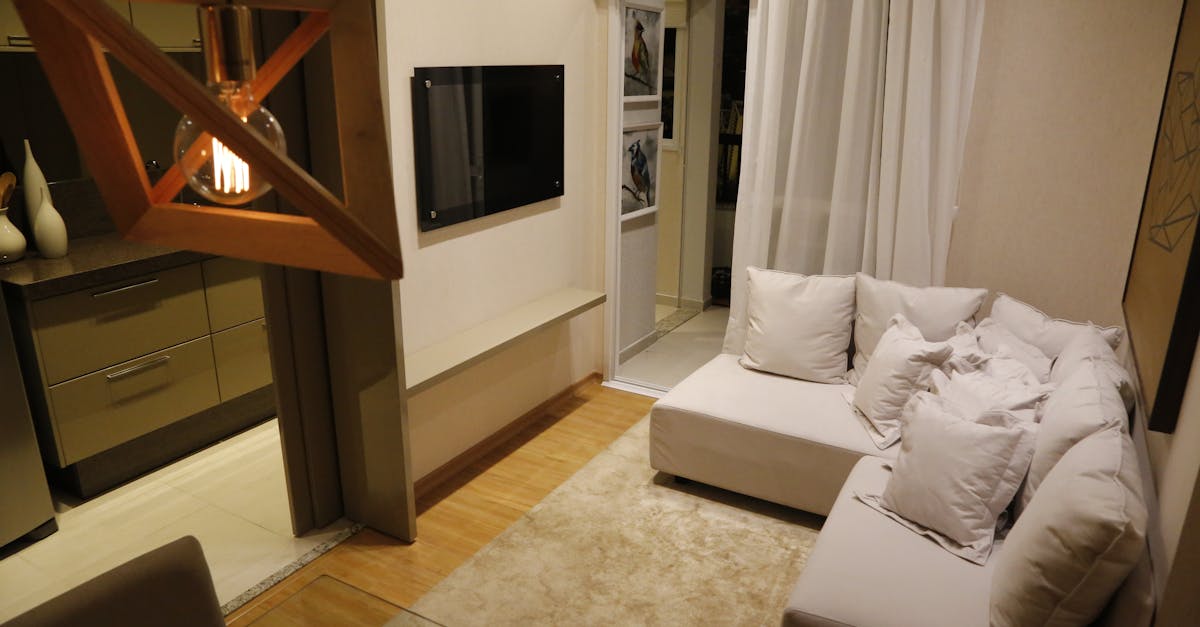
Advertisement
Kitchen Lighting
Good kitchen lighting is crucial for efficiency and safety. Bright task lighting is ideal for food preparation areas, such as under cabinet lights. Recessed lights or pendant fixtures provide ambient lighting, while LED strips inside cabinets keep everything visible and organized.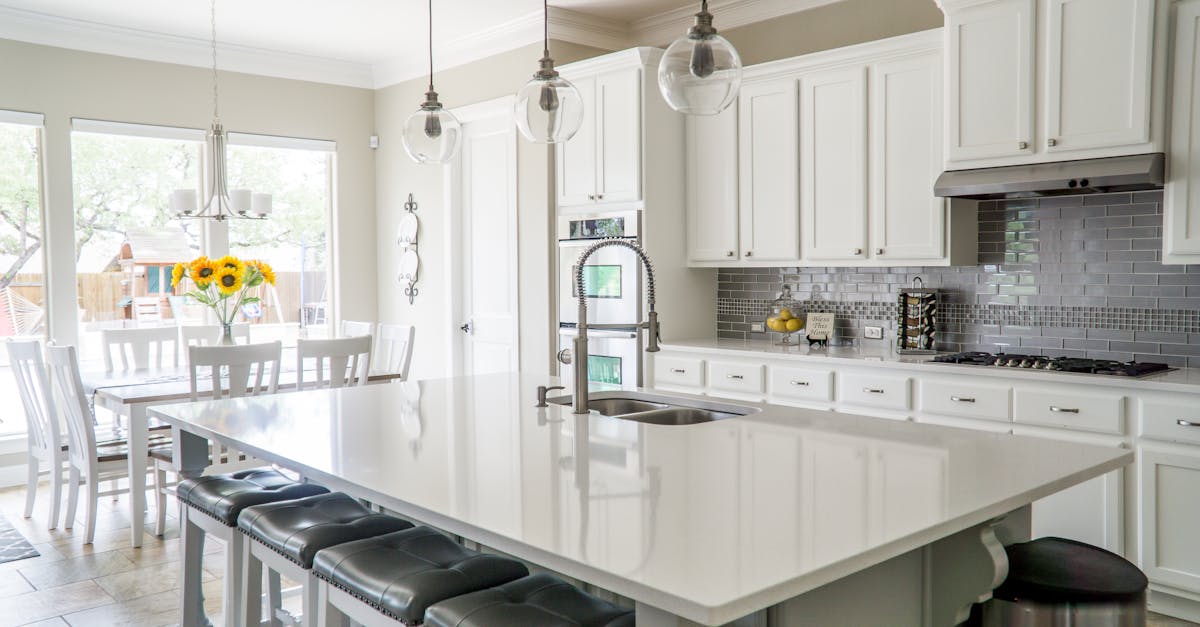
Advertisement
Dining Room Lighting
Dining spaces benefit from lighting that sets a welcoming and elegant atmosphere. A statement chandelier or pendant light over the table provides focal illumination. Dimmer switches allow you to adjust brightness, enhancing intimate dinners or lively gatherings alike.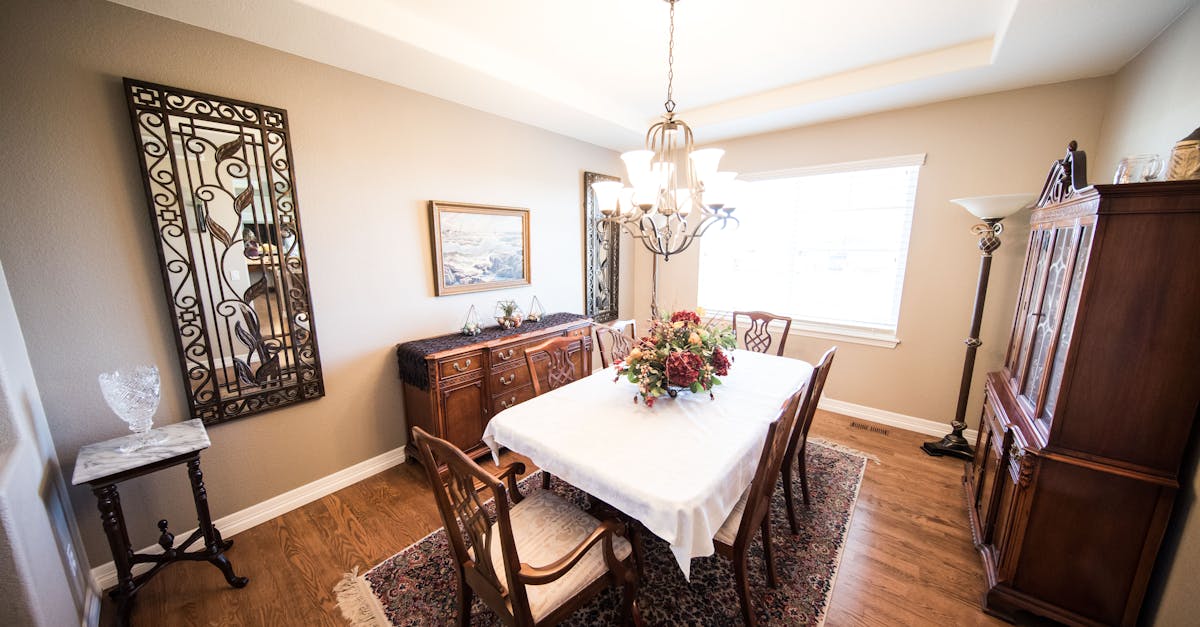
Advertisement
Bedroom Lighting
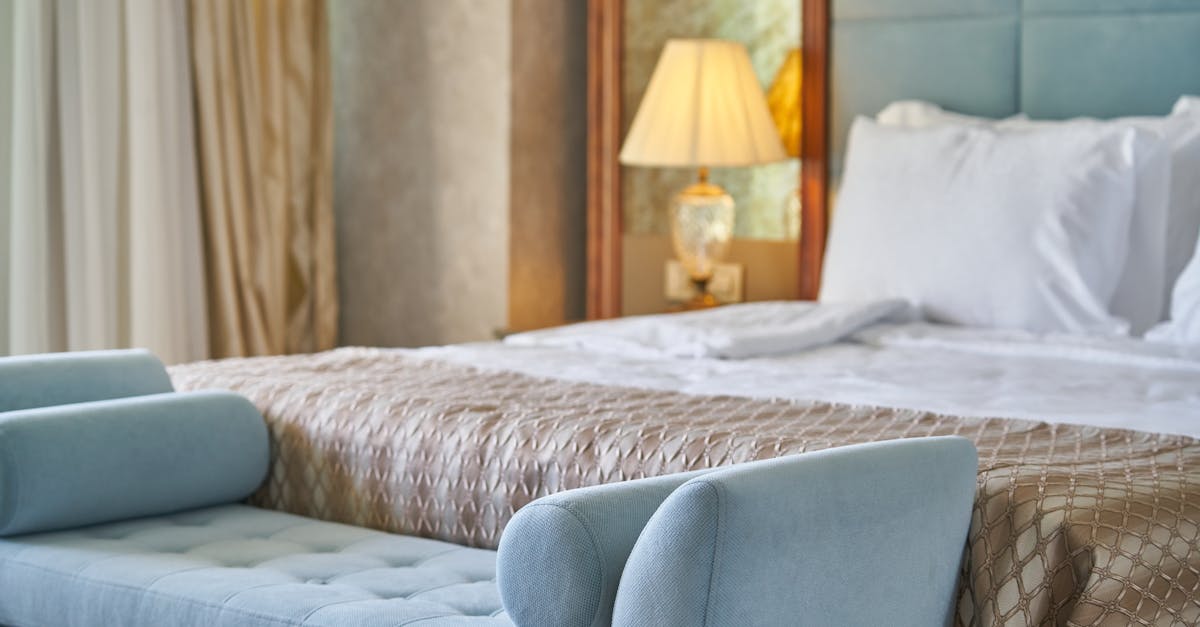
In the bedroom, lighting should promote relaxation. Soft, indirect lighting is key; consider wall sconces or bedside lamps with adjustable brightness. Smart lighting solutions enable you to customize color temperatures, transitioning from warm to cool tones to support morning wakefulness or evening wind-down.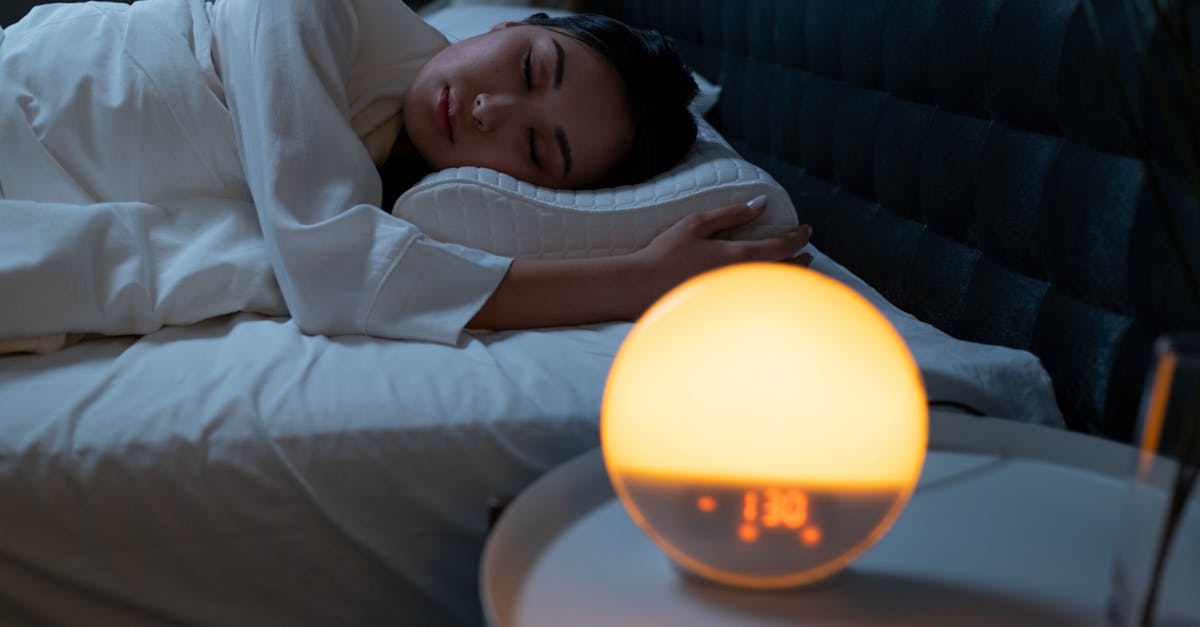
Advertisement
Bathroom Lighting
Bathrooms benefit from bright, even lighting. Combine overhead lights with wall-mounted sconces around mirrors to minimize shadows and facilitate grooming. For a touch of luxury, incorporate a dimmable chandelier or LED strip lighting around bathtubs for relaxation.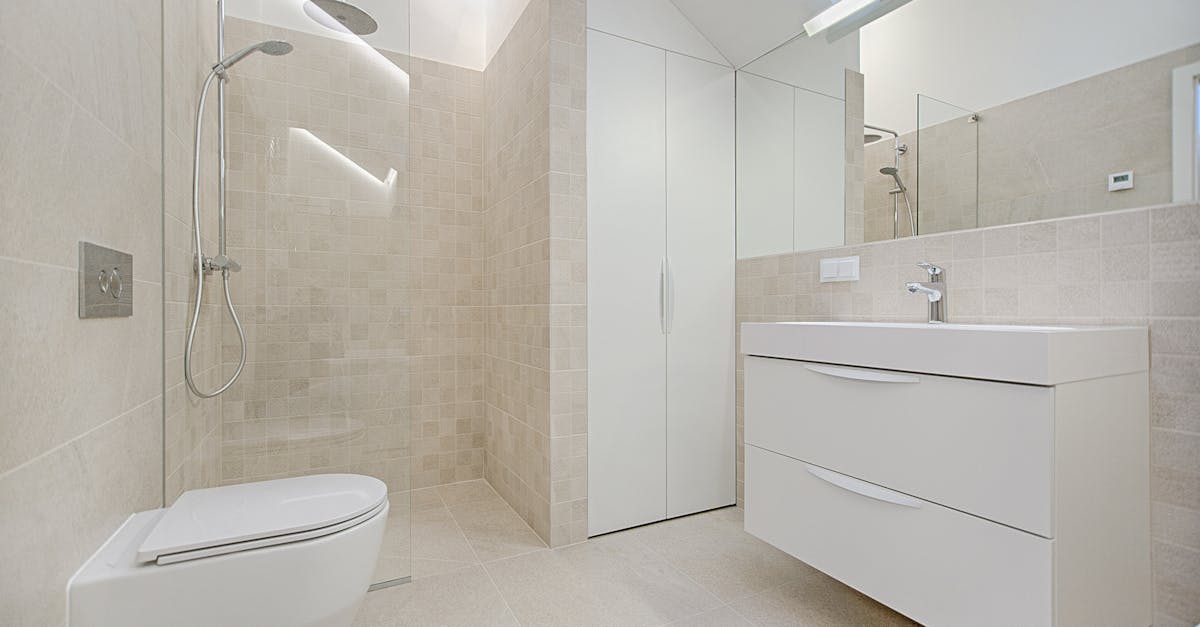
Advertisement
Home Office Lighting
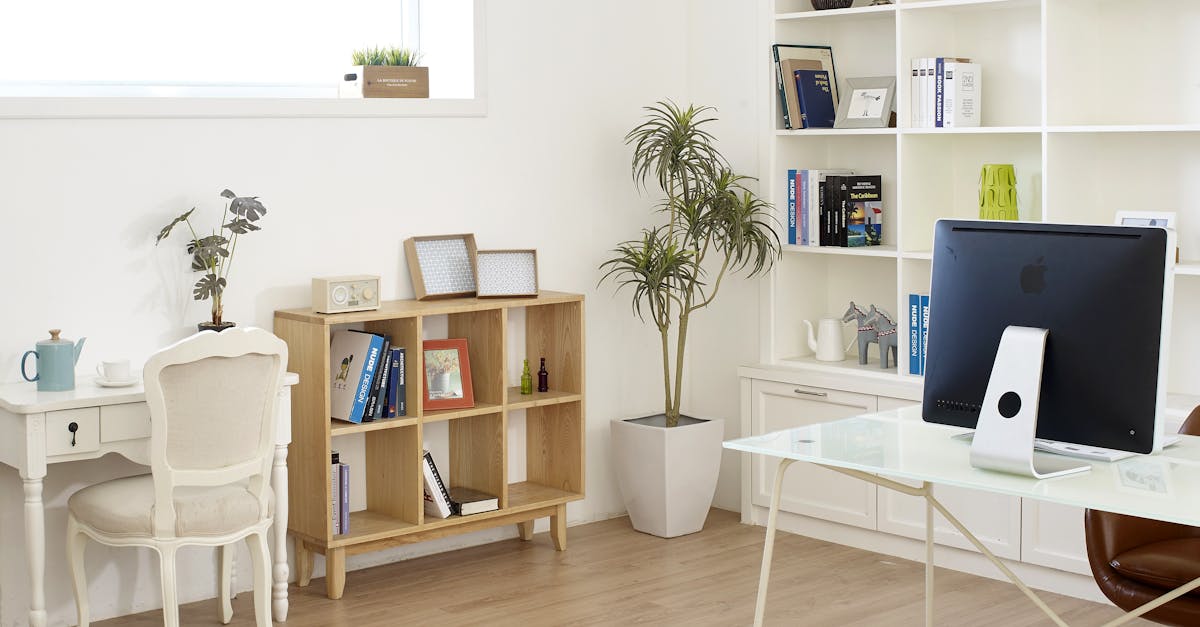
Effective lighting in a home office promotes focus and productivity. Task lighting with adjustable arms placed on desks is essential for reducing eye strain. Layer this with overhead lights and natural light where possible, and consider using lamps with color temperatures close to daylight.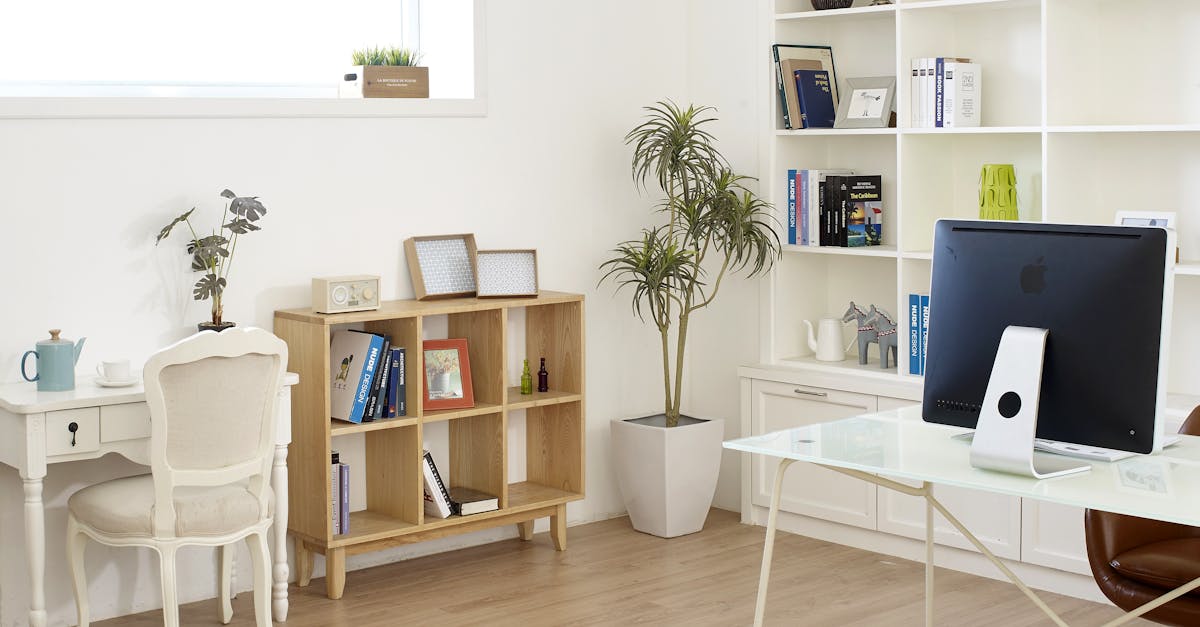
Advertisement
Hallway and Stairwell Lighting
These transitional spaces require lighting that is inviting and safe. Wall sconces and recessed lights guide the way, while motion-sensor lights add convenience. Consider uplights to make narrow hallways feel more open, and add picture lights to showcase gallery walls.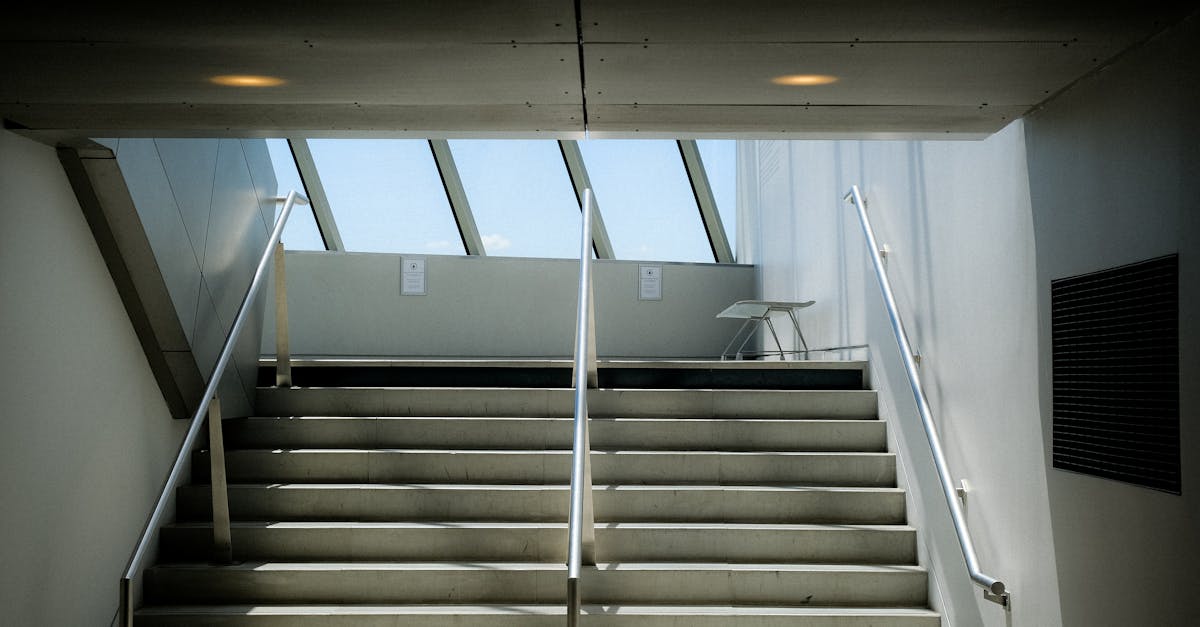
Advertisement
Outdoor Lighting
Outdoor spaces need lighting for functionality and ambiance. Use path lights to illuminate walkways and avoid accidents. For entertaining zones, opt for string lights or lanterns to create a festive and relaxed atmosphere. Security lights with motion sensors add safety and deter intruders.
Advertisement
Conclusion
In conclusion, selecting the right lighting enhances the function and feel of every room. By blending different lighting types, you can create a dynamic yet harmonious atmosphere. Use lighting to highlight the unique character of each space, and let it guide you to your perfect home environment.
Advertisement