Exploring Dental Implant Solutions
Introduction
Dental implant solutions have revolutionized the field of dentistry by offering a permanent solution for missing teeth. Whether due to trauma, decay, or congenital reasons, missing teeth can significantly affect one's confidence and oral health. This article explores various aspects of dental implants, highlighting their benefits, types, and the procedure involved.
Advertisement
Understanding Dental Implants
Dental implants are artificial tooth roots, usually made of titanium, that are surgically anchored into the jawbone. They provide a stable foundation for fixed or removable replacement teeth. This innovative approach mimics natural tooth functionality and offers a durable solution that can last for decades with proper care.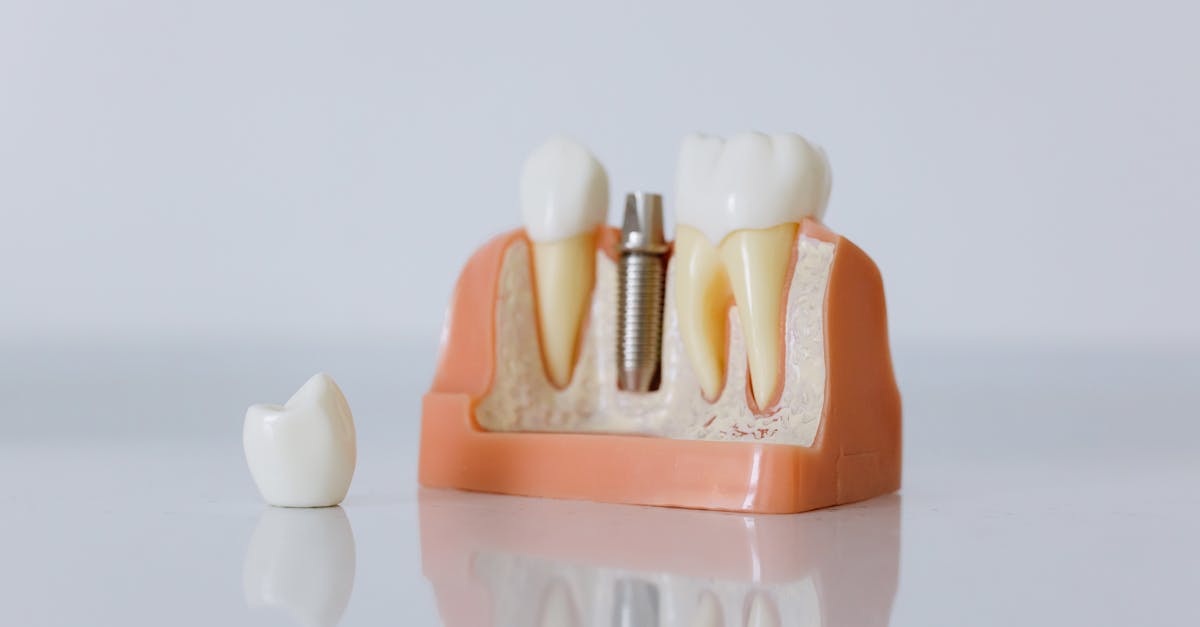
Advertisement
Types of Dental Implants
There are several types of dental implants to cater to different patient needs. Endosteal implants are the most common, placed directly into the jawbone. Subperiosteal implants, on the other hand, sit on top of the jawbone but beneath the gum and are ideal for patients with insufficient bone height. Both have their unique advantages and are chosen based on an individual's specific condition.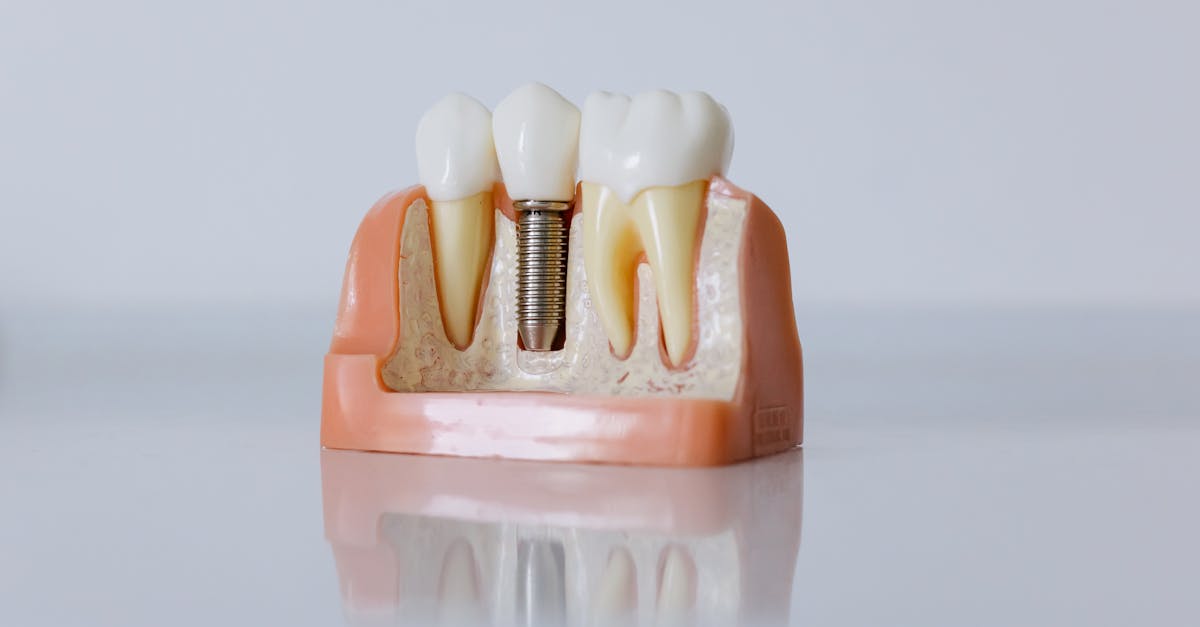
Advertisement
The Implant Procedure
Getting dental implants involves a multi-step process, beginning with a comprehensive dental evaluation. Once suitable, the implant post is surgically placed into the bone. Healing can take several months, allowing the bone to grow around and anchor the implant firmly. Following this, an abutment is placed to hold the new tooth securely, complete with a custom-made crown that matches natural teeth.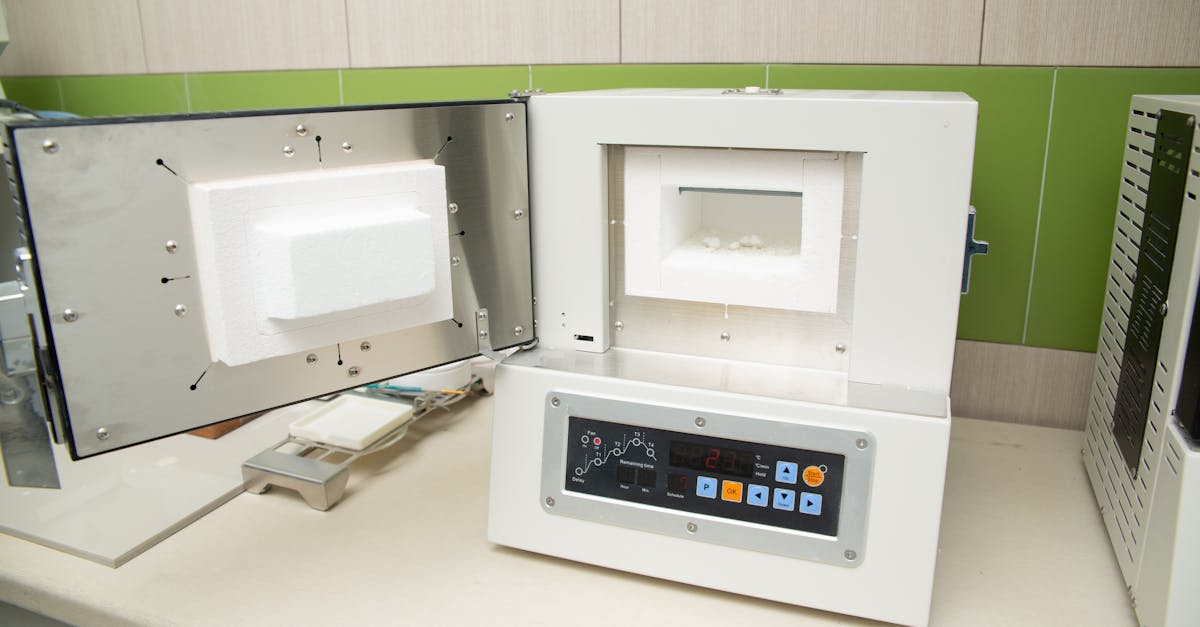
Advertisement
Benefits of Dental Implants
One of the main benefits of dental implants is their ability to prevent bone loss. Unlike dentures, which can cause the jawbone to deteriorate over time, implants stimulate natural bone growth. They also provide improved function and aesthetics, restoring patient confidence with a smile that feels and looks natural.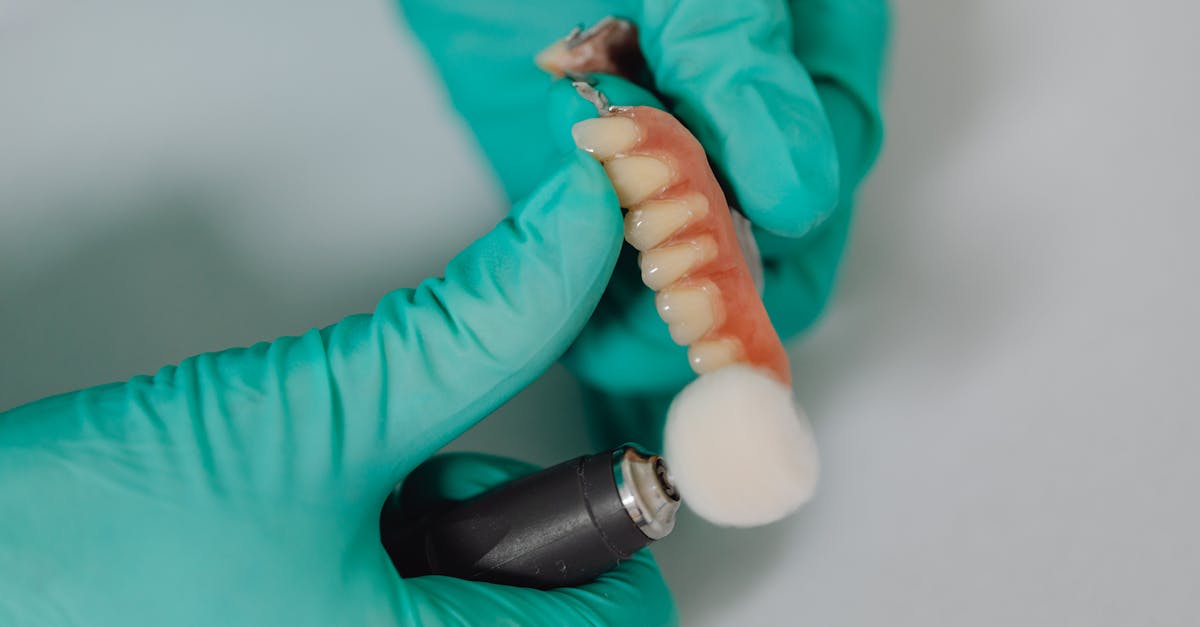
Advertisement
Risks and Considerations
As with any surgical procedure, there are risks associated with dental implants. Potential complications include infection, implant failure, and nerve damage. It's crucial to have a detailed discussion with a dental professional to assess individual risks and expectations, ensuring the chosen solution aligns with personal health needs.
Advertisement
Caring for Dental Implants
Proper care is integral to the longevity of dental implants. Regular dental visits, combined with routine brushing and flossing, help maintain oral hygiene and prevent potential issues. Dental professionals often recommend avoiding hard foods and tobacco to further protect the implants and surrounding structures.
Advertisement
Suitable Candidates for Dental Implants
Most individuals with missing teeth could be candidates for dental implants, provided they have adequate bone density and healthy oral tissues. It's vital for candidates to maintain good oral hygiene and have no health conditions that could impact bone healing. A thorough dental evaluation is essential to determine suitability.
Advertisement
Technological Advancements in Implants
Technological advancements continue to enhance dental implant solutions. Innovations in imaging and 3D printing technologies enable more precise and personalized implant designs. This progress ensures higher success rates and greater patient satisfaction, revolutionizing the way dental care is delivered.
Advertisement
Conclusion
Dental implants offer a lifetime solution for those seeking to restore their smile and oral functionality. While considering various options, it's essential to understand the benefits, procedure details, and proper aftercare. Consulting with a trusted dentist can guide individuals towards the most appropriate dental implant solution, ensuring a satisfying and lasting outcome.
Advertisement