Understanding Dental Implants
Introduction
Dental implants are a modern solution for missing teeth, offering both functional and esthetic benefits. They consist of titanium posts that serve as artificial tooth roots, providing a durable foundation for fixed or removable replacement teeth. Understanding dental implants is essential for anyone considering this dental procedure.
Advertisement
What Are Dental Implants?
Dental implants are essentially small titanium posts surgically inserted into the jawbone beneath the gums. Over time, they fuse with the bone through a process known as osseointegration, providing strong support for artificial teeth. This integration creates a stable anchor similar to natural tooth roots.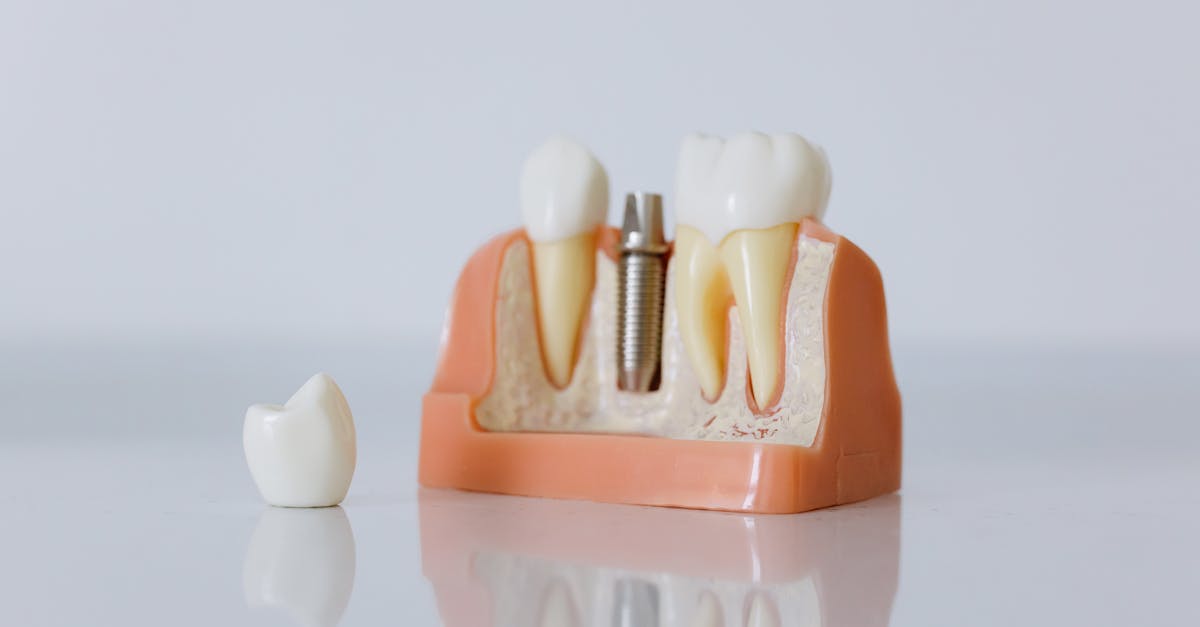
Advertisement
Why Choose Dental Implants?
Dental implants offer numerous benefits over traditional dentures or bridges. They provide a natural appearance and feel, do not affect neighboring teeth, and enable comfortable chewing and speaking. Implants significantly improve oral health by reducing the risk of bone loss and maintaining a natural face structure.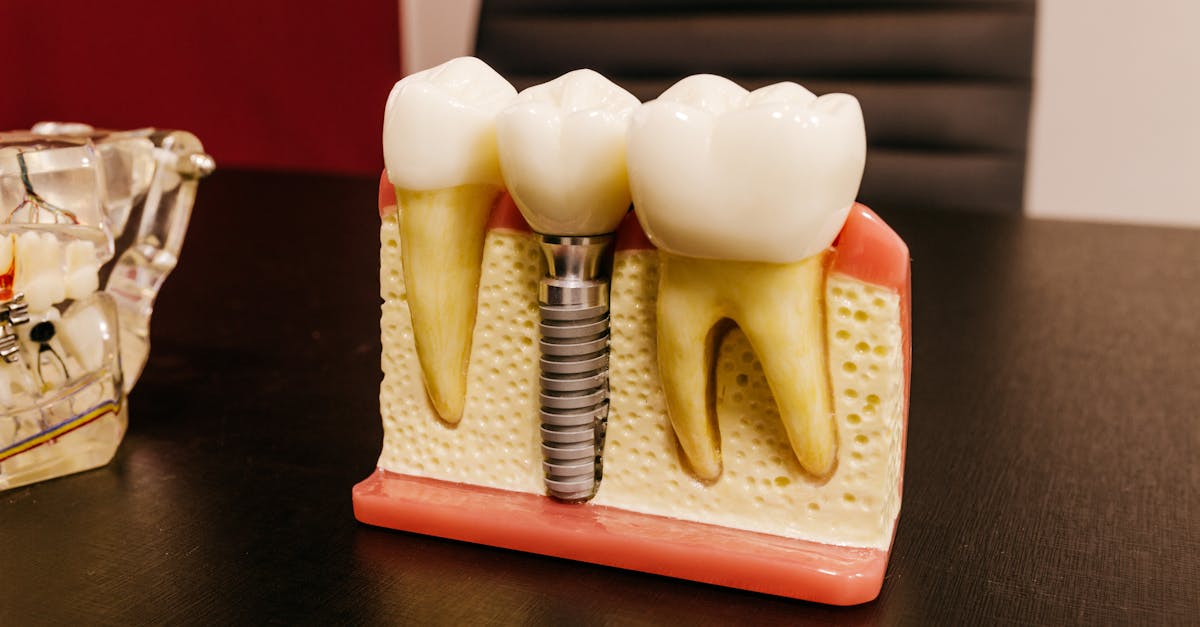
Advertisement
The Procedure
The process begins with a complete dental evaluation and planning phase. The first step involves placing the titanium post into the jawbone, followed by a healing period of several months for osseointegration to occur. Once healed, an abutment is attached to connect the implant to a crown or denture.
Advertisement
Who Can Get Dental Implants?
Candidates for dental implants generally have healthy gums and enough bone to support the implants. Those with chronic diseases like diabetes or heart conditions should discuss risks thoroughly with their dentist. Good oral hygiene and regular dental visits are crucial for the long-term success of implants.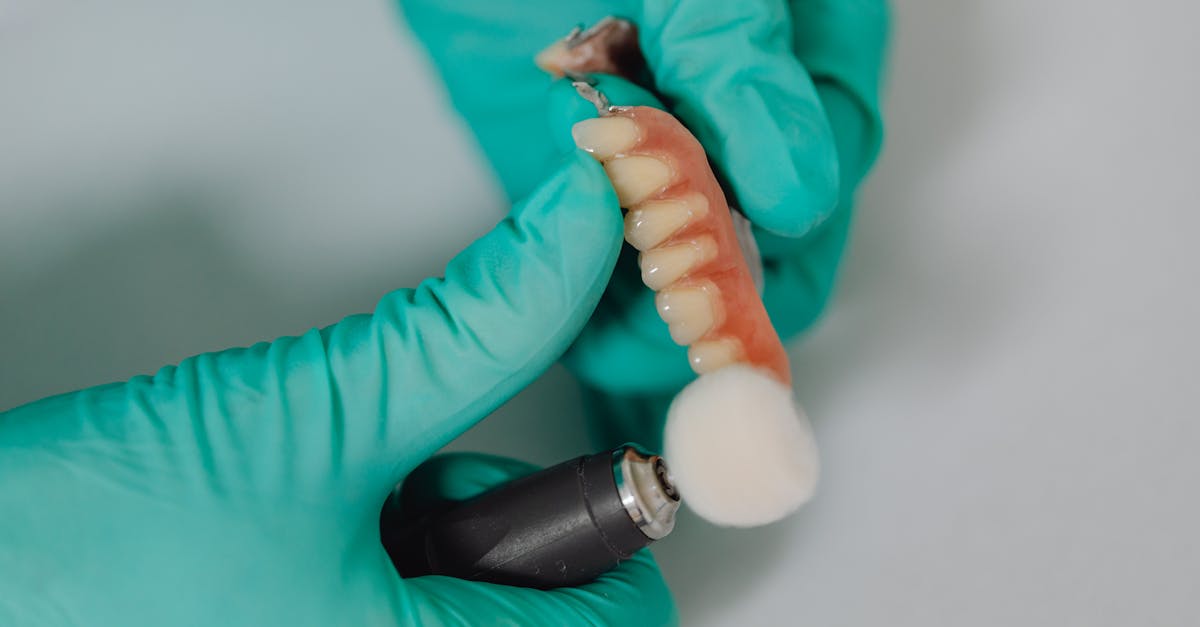
Advertisement
Types of Dental Implants
There are different types of dental implants: endosteal and subperiosteal. Endosteal implants are the most common, placed directly into the jawbone. Subperiosteal implants rest on top of the jawbone but below the gum tissue; they are used for patients who cannot wear dentures or have minimal bone height.
Advertisement
Recovery and Aftercare
Recovering from dental implant surgery requires patience and proper care. It's typical to experience some discomfort and swelling, which can be managed with over-the-counter pain medications. Maintaining excellent oral hygiene, avoiding hard foods, and attending follow-up visits are crucial for optimal healing.
Advertisement
Cost of Dental Implants
Dental implants are a long-term investment, with costs varying based on individual needs. Factors affecting the price include the number of implants, any additional procedures, and geographic location. Many dental offices offer financing options to help manage the cost of dental implants.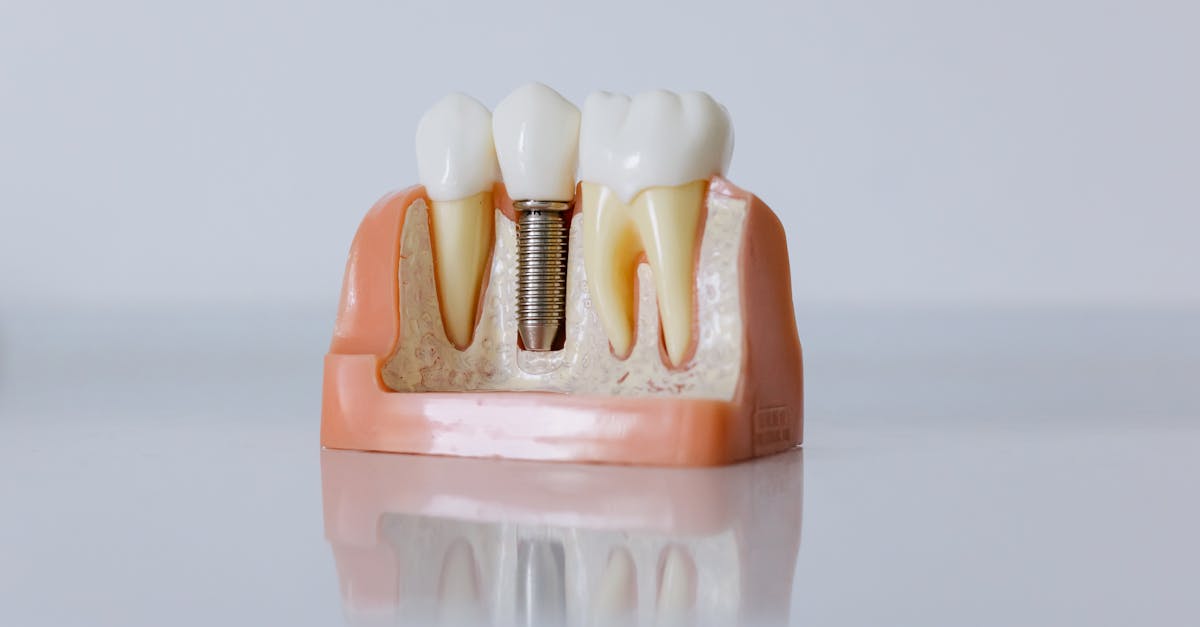
Advertisement
Potential Risks and Complications
While dental implants have a high success rate, some risks include infection, nerve damage, and implant failure. These are rare and can often be prevented with proper surgical technique and post-operative care. Regular dental check-ups help monitor implant success and address any issues promptly.
Advertisement
Conclusion
In conclusion, dental implants are an effective solution for replacing missing teeth, blending seamlessly into your smile. They provide unparalleled support, longevity, and a natural look. Consulting with a dental professional can help you determine if dental implants are the right choice for you.
Advertisement