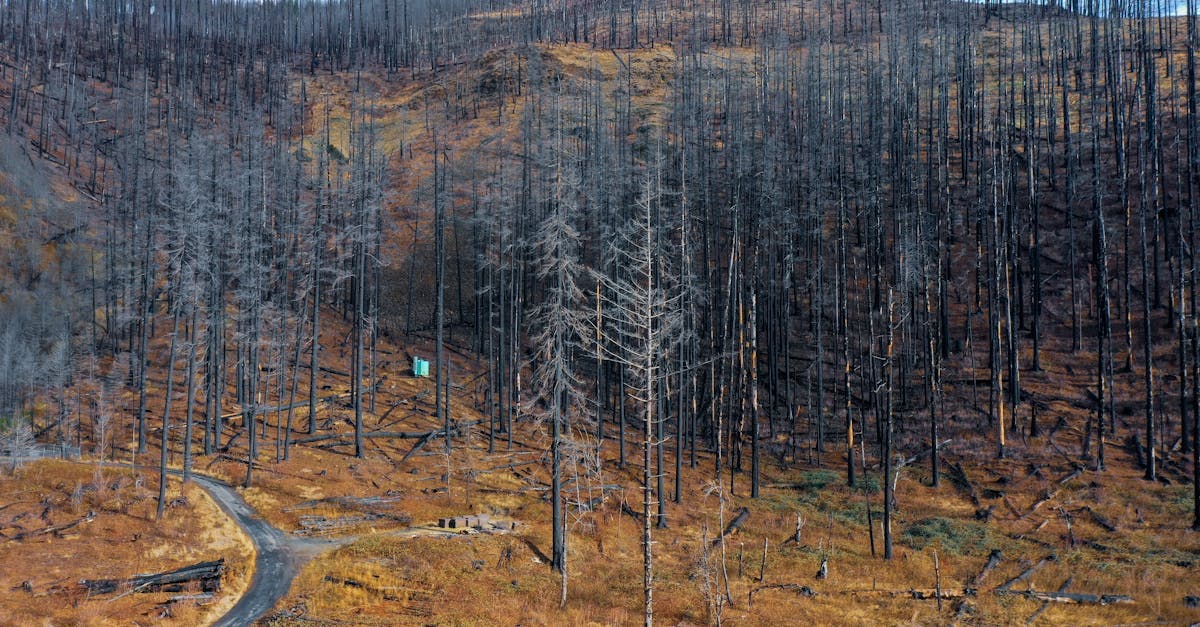
Global Warming Impact on Rising Sea Levels
Introduction
Global warming is causing a significant impact on Earth's climate, leading to serious environmental changes. One major consequence of this phenomenon is the rise in sea levels worldwide. Understanding the link between global warming and rising sea levels is crucial for predicting and mitigating future risks.
Advertisement
What is Global Warming?
Global warming refers to the long-term increase in Earth's average surface temperature due to human activities. The primary cause is the burning of fossil fuels, such as coal and oil, which increases the concentration of greenhouse gases in the atmosphere. These gases trap heat, leading to a gradual rise in global temperatures.
Advertisement
Melting Ice Sheets and Glaciers
As temperatures rise, ice sheets and glaciers in regions like Antarctica and Greenland are melting at alarming rates. This melting water flows into the oceans, contributing to the rising sea levels. Scientists predict that continued melting could cause sea levels to rise several feet over the next century.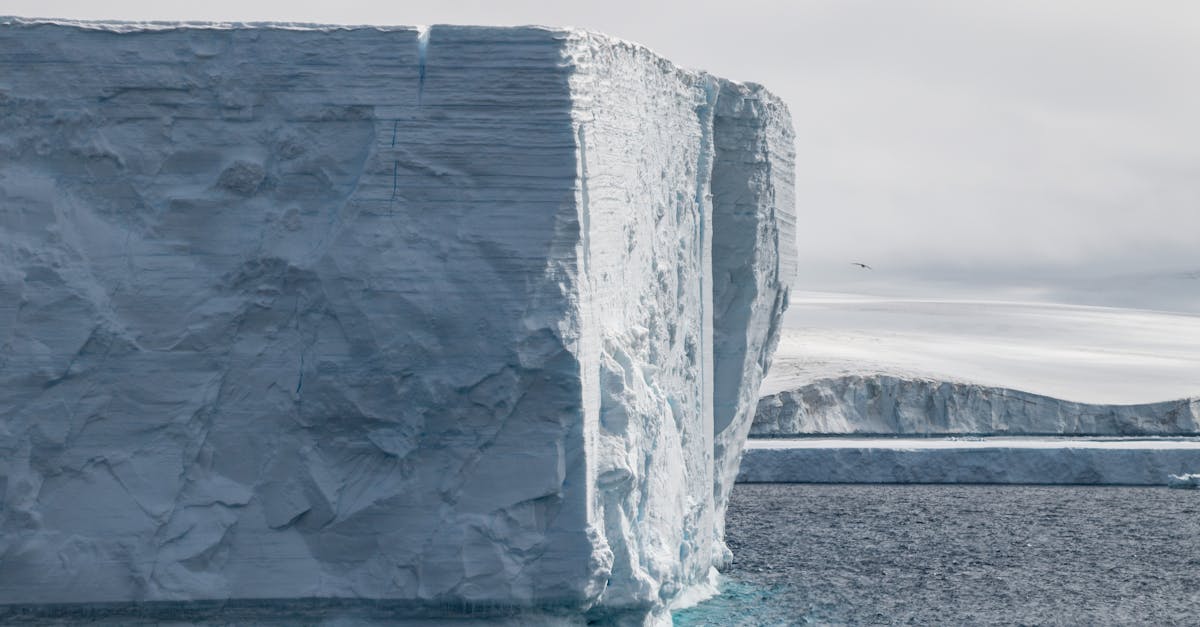
Advertisement
Thermal Expansion
Apart from melting ice, global warming also leads to the thermal expansion of ocean water. As water heats up, it expands, further increasing sea levels. This effect, combined with melting ice, poses a dual threat to coastal regions and low-lying islands.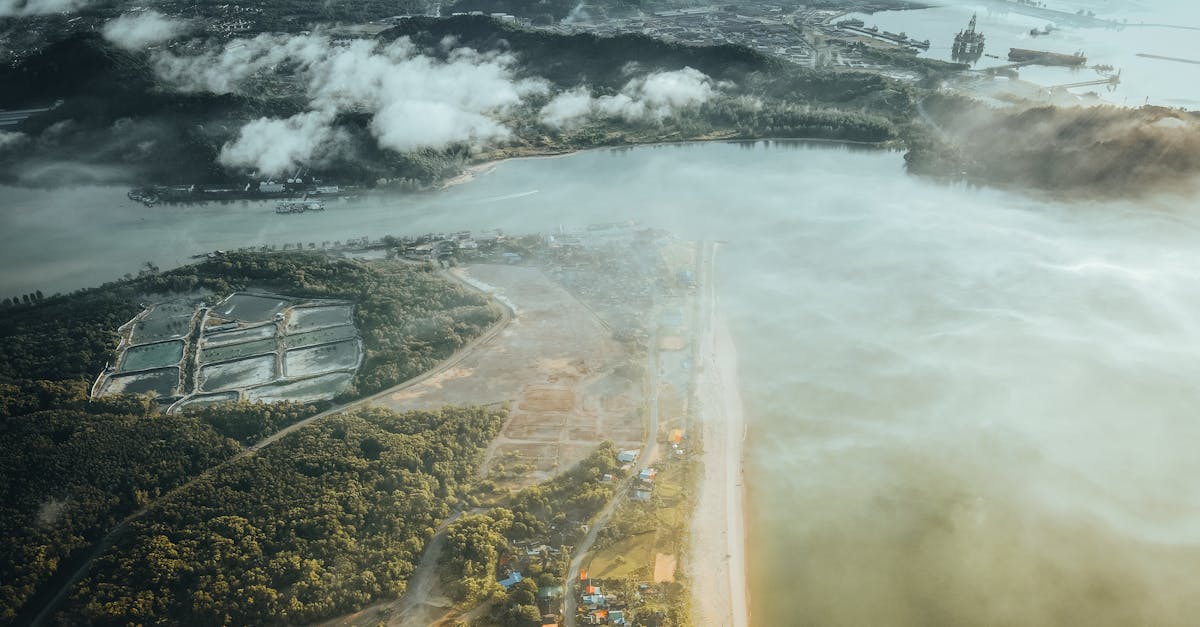
Advertisement
Impact on Coastal Communities
Rising sea levels pose a threat to millions of people living in coastal areas. Storm surges, coastal erosion, and flooding are becoming more frequent and severe. Infrastructure, homes, and livelihoods are at risk, making adaptation strategies crucial for those most affected.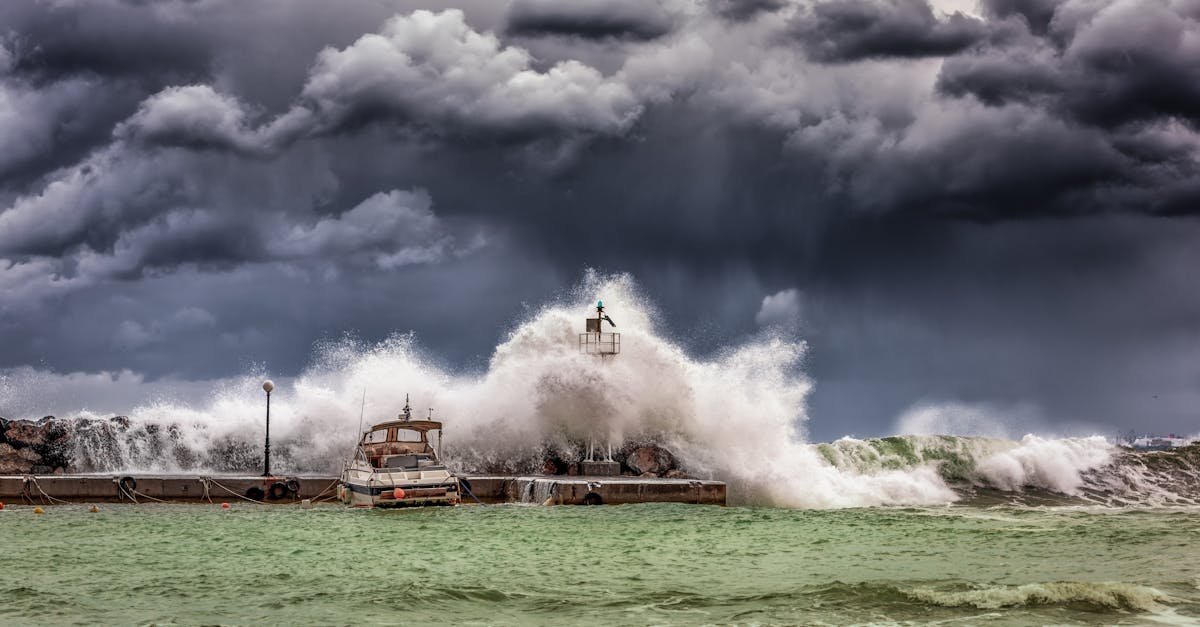
Advertisement
Ecosystem Disruption
Higher sea levels can also lead to the disruption of marine and coastal ecosystems. Many species rely on specific habitats, such as coral reefs and mangroves, which are vulnerable to changes in sea levels. The loss of these habitats threatens biodiversity and can disrupt food chains.
Advertisement
Economic Implications
The economic costs of rising sea levels are significant. Coastal property damage, loss of agricultural land, and changes in fisheries can severely impact local and national economies. The need for new infrastructure and migration efforts will require substantial financial investments.
Advertisement
Mitigation and Adaptation Strategies
To address the challenges posed by rising sea levels, both mitigation and adaptation strategies are necessary. Reducing greenhouse gas emissions, adopting renewable energy sources, and enforcing stricter environmental regulations are crucial steps in the fight against global warming.
Advertisement
The Role of Global Cooperation
Addressing the problem of rising sea levels requires global cooperation and commitment. International agreements, like the Paris Agreement, aim to limit temperature increases and reduce greenhouse gas emissions. Collaborative global efforts can help mitigate future impacts and build resilience.
Advertisement
Conclusion
In conclusion, global warming and rising sea levels are interlinked issues that require urgent attention. By understanding the causes and consequences, society can work towards effective solutions. Protecting our planet demands a concerted global effort to ensure a sustainable future for generations to come.
Advertisement