How Climate Change Is Impacting Global Communities
Introduction
Climate change is one of the most pressing challenges facing our planet today. It goes beyond fluctuating temperatures, affecting ecosystems and human societies worldwide. Understanding these impacts helps us prepare for a sustainable future.
Advertisement
Melting Ice Caps and Rising Sea Levels
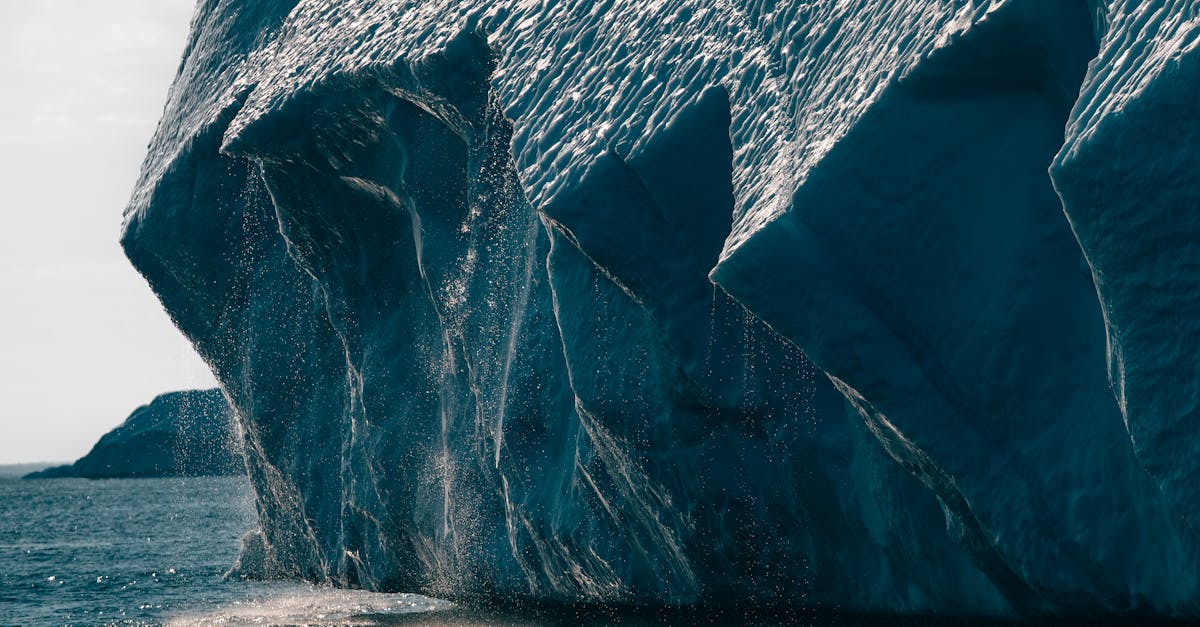
The melting of polar ice caps is a undeniable climate change consequence, contributing significantly to rising sea levels. Communities living in coastal areas are at risk, as increased flooding and land loss threaten livelihoods and habitats. This relentless rise requires immediate mitigation efforts.
Kaiwalya Limaye/Pexels
Advertisement
Changes in Weather Patterns
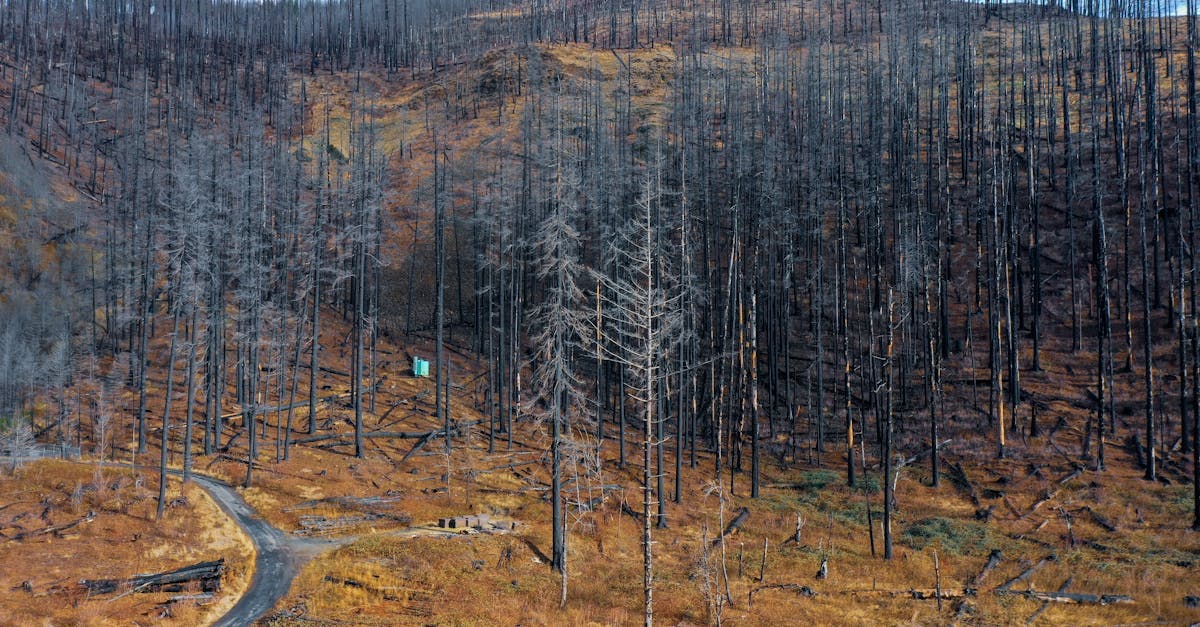
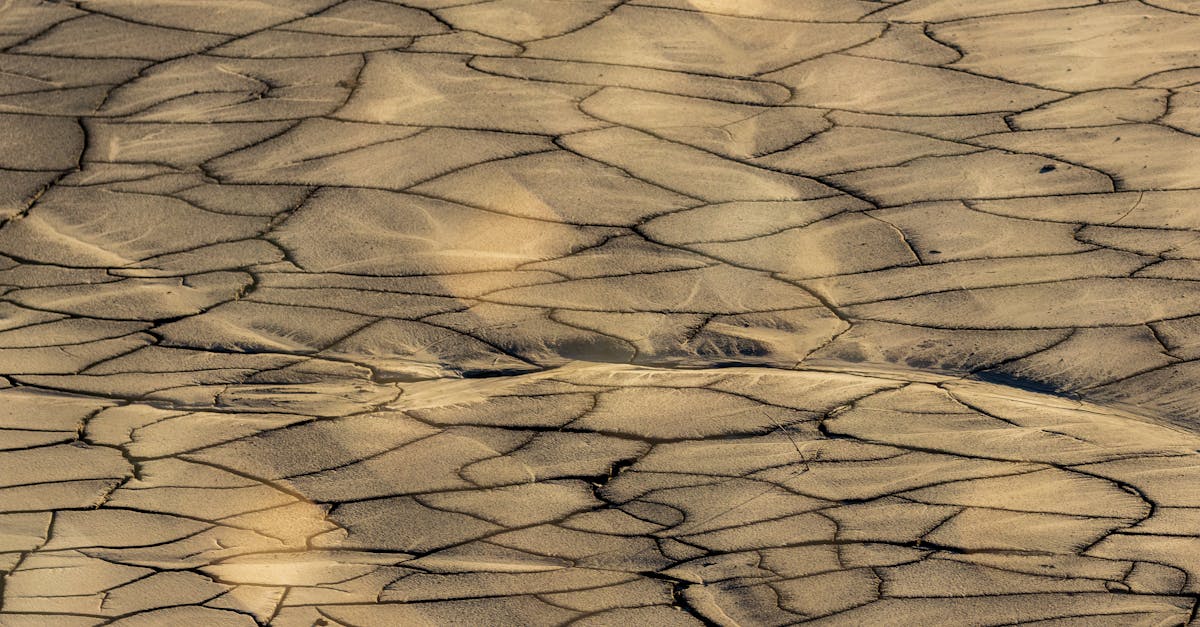
Climate change disrupts traditional weather patterns, resulting in more frequent and intense natural disasters. Events like hurricanes, droughts, and wildfires devastate communities, destroying infrastructure and destabilizing local economies. Adapting to these changes is crucial for resilience.
David Brown/Pexels
Advertisement
Impact on Agriculture and Food Security
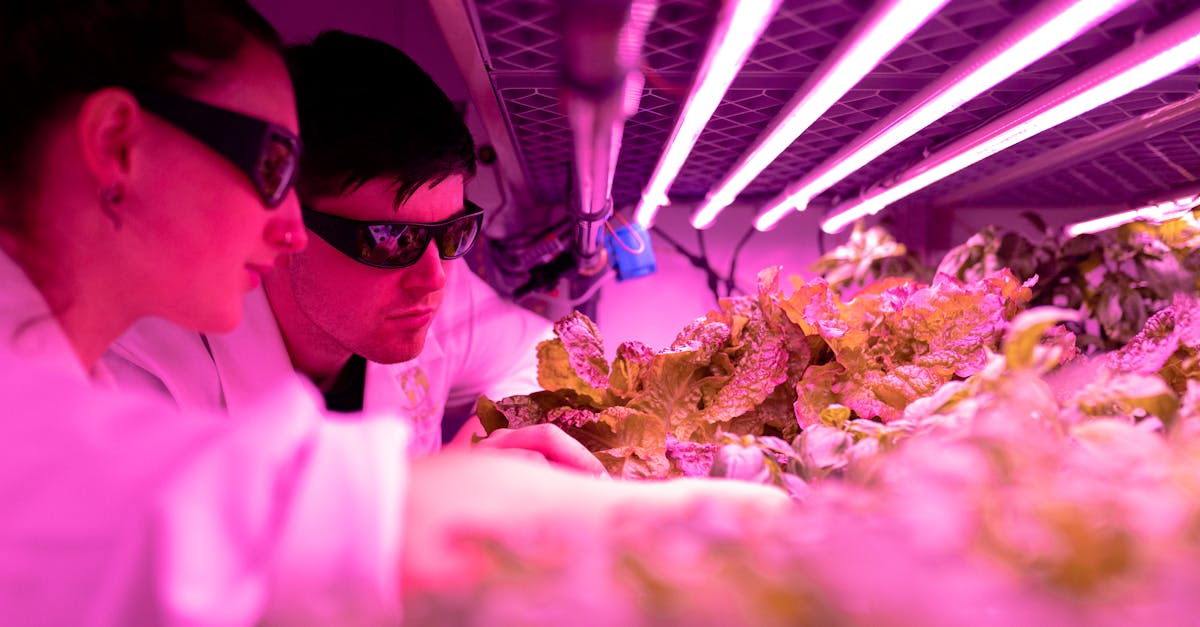
The shift in climate affects agriculture by altering growing seasons and crop yields. Many regions face food insecurity as local farming becomes unpredictable due to erratic rainfall and extreme temperatures. The agriculture sector must adapt through innovative techniques to ensure food stability.
ThisIsEngineering/Pexels
Advertisement
Health Challenges and Disease Spread
Climate change influences health, exacerbating respiratory illnesses and heat-related conditions. Warmer temperatures also facilitate the spread of vector-borne diseases like malaria and dengue fever. Public health systems must become more robust to address these growing threats.

Markus Spiske/Pexels
Advertisement
Biodiversity Loss and Ecosystem Disruption
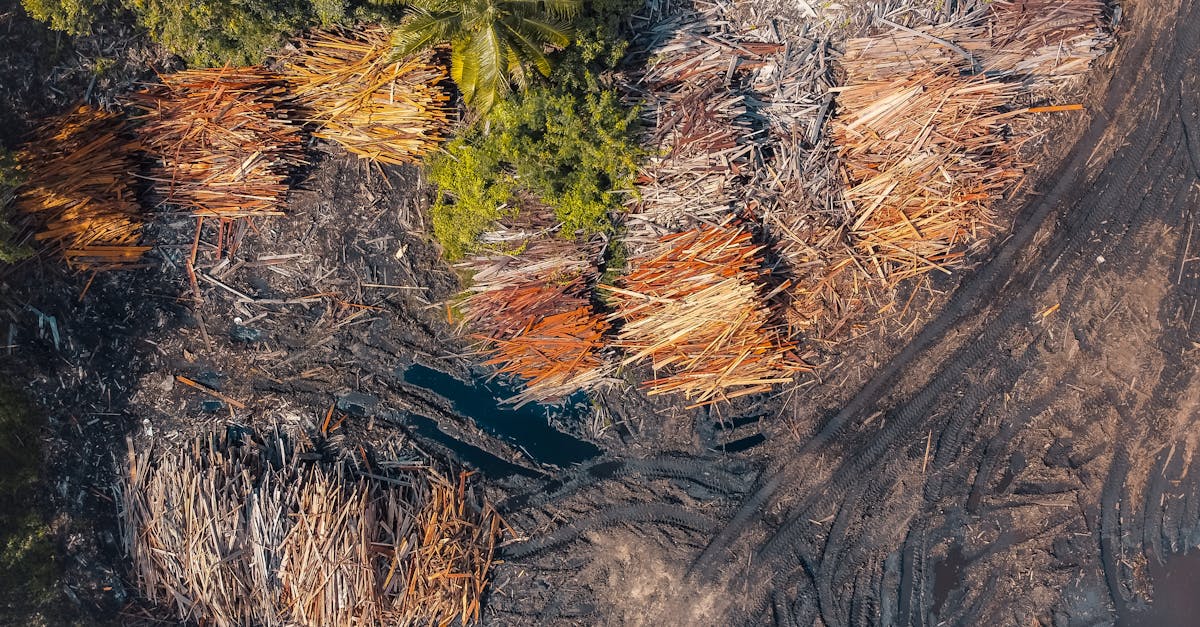
The loss of biodiversity is a direct result of changing climates, with habitats like coral reefs and rainforests deteriorating. This hinders ecosystems' ability to recover, putting many species at risk of extinction. Preserving biodiversity is essential for maintaining global ecological balance.
Pok Rie/Pexels
Advertisement
Social and Economic Inequality
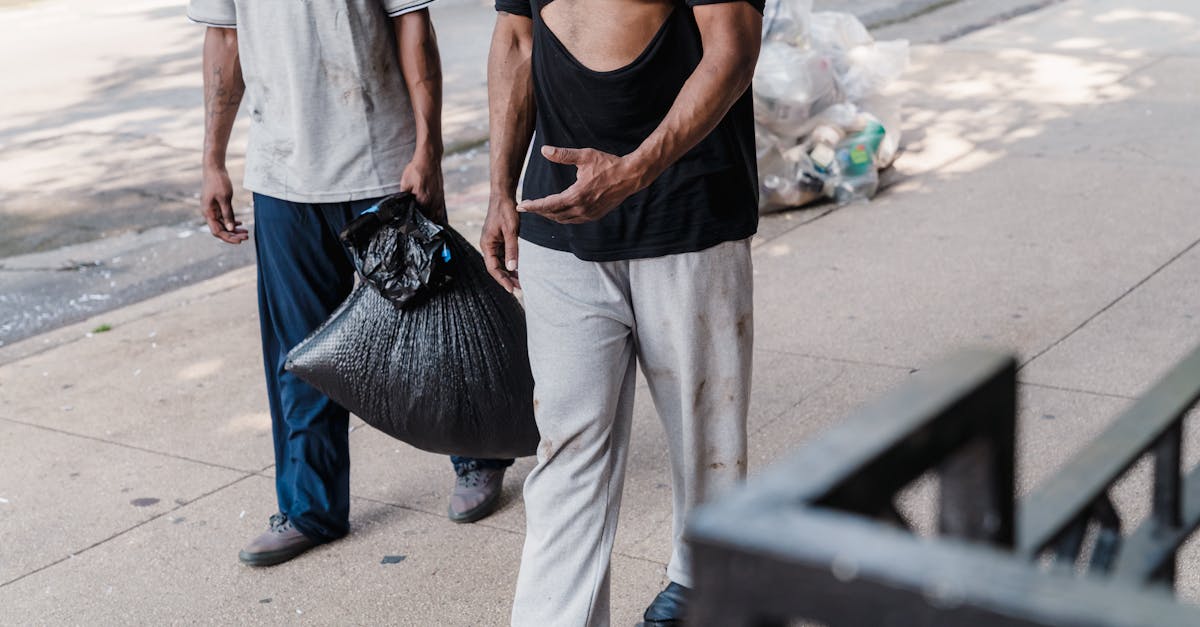
Vulnerable populations often bear the brunt of climate change, deepening social and economic inequalities. Lack of resources means they struggle to cope with disasters and their aftermath. Addressing these inequities is fundamental to building fair and inclusive climate resilience.
Timur Weber/Pexels
Advertisement
Cultural and Community Displacement
Many indigenous communities face displacement due to environmental changes disrupting their traditional territories. Loss of land and cultural heritage prompts migration, generating social strain in host regions. Protecting these communities' rights is vital for heritage preservation.
Advertisement
Efforts in Climate Adaptation
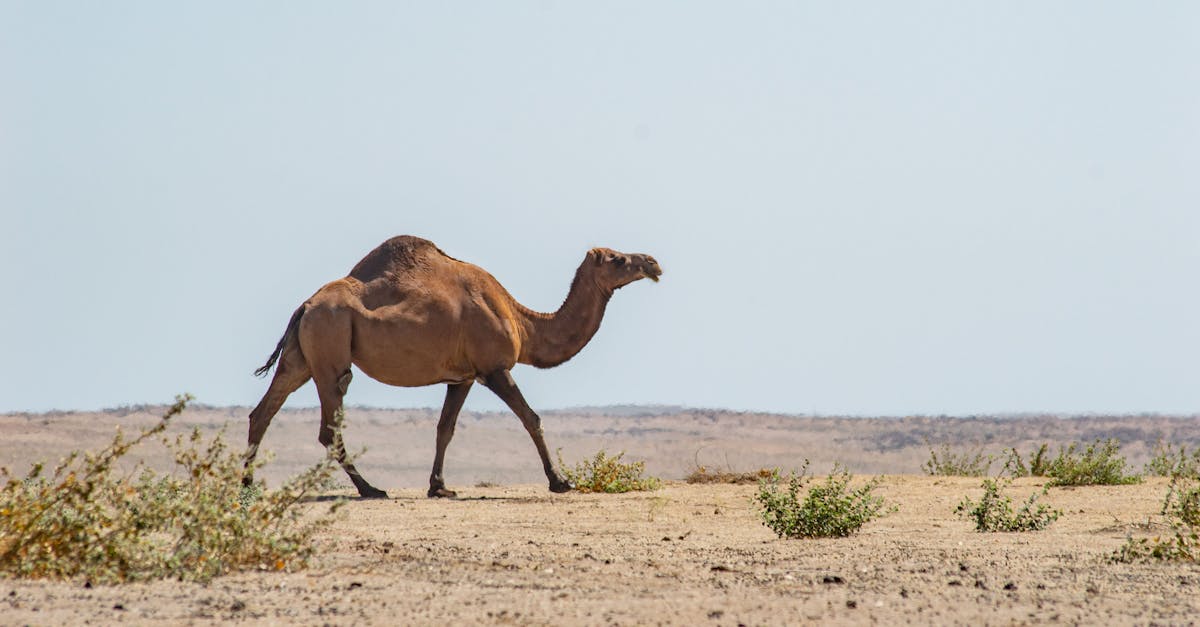
Communities worldwide are innovating to adapt to climate change, with initiatives like sustainable urban planning and renewable energy transitions. Global cooperation and investment in green solutions are key to fortifying cities against future climate impacts.
Ruslan Ayupov/Pexels
Advertisement
Conclusion
Climate change profoundly affects global communities, disrupting lives, economies, and natural environments. Understanding its scope is essential for crafting effective responses. By prioritizing sustainability and equity, we can safeguard both people and planet.
Advertisement