Steps to Restore Old Hardwood Floors
Introduction
Old hardwood floors are celebrated for their timeless beauty, but they can show wear over time. Restoring these floors can rejuvenate a space, adding warmth and elegance. The process of restoration, however, requires specific techniques to ensure they regain their original charm.
Advertisement
Assessment of Floor Condition
Begin by thoroughly assessing the current state of your hardwood floors to determine the level of restoration required. Look for issues such as deep scratches, stains, or significant wear in high-traffic areas. Assessing helps in deciding if simple polishing will suffice or if a complete refinishing is necessary.
Advertisement
Cleaning the Surface
The restoration process starts with a comprehensive cleaning to remove dirt and grime. Use a gentle hardwood floor cleaner that won't damage the wood. It's important to avoid excess water as it can seep into the wood and cause warping. A microfiber mop is ideal for lifting dirt without scratching the surface.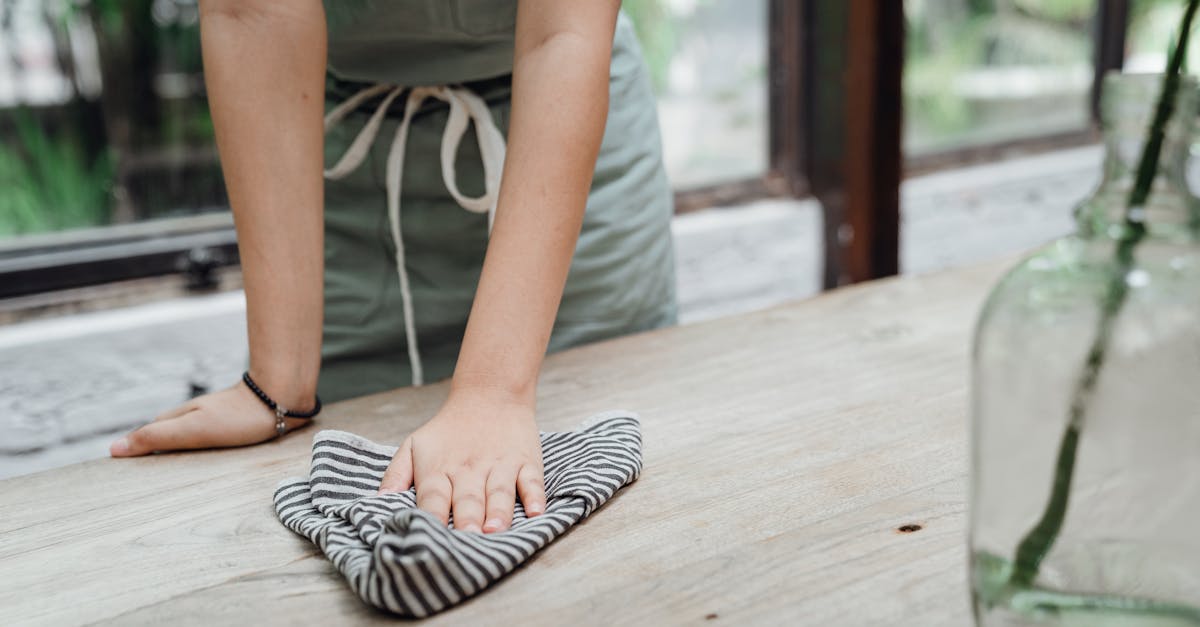
Advertisement
Sanding the Floors
If your assessment indicates deep scratches or unevenness, sanding the floor is crucial. Use a drum sander for large spaces, and a hand-held sander for corners and edges. Ensure you remove a fine layer of the wood's surface to eliminate imperfections. Remember to wear a mask and safety goggles during this dusty process.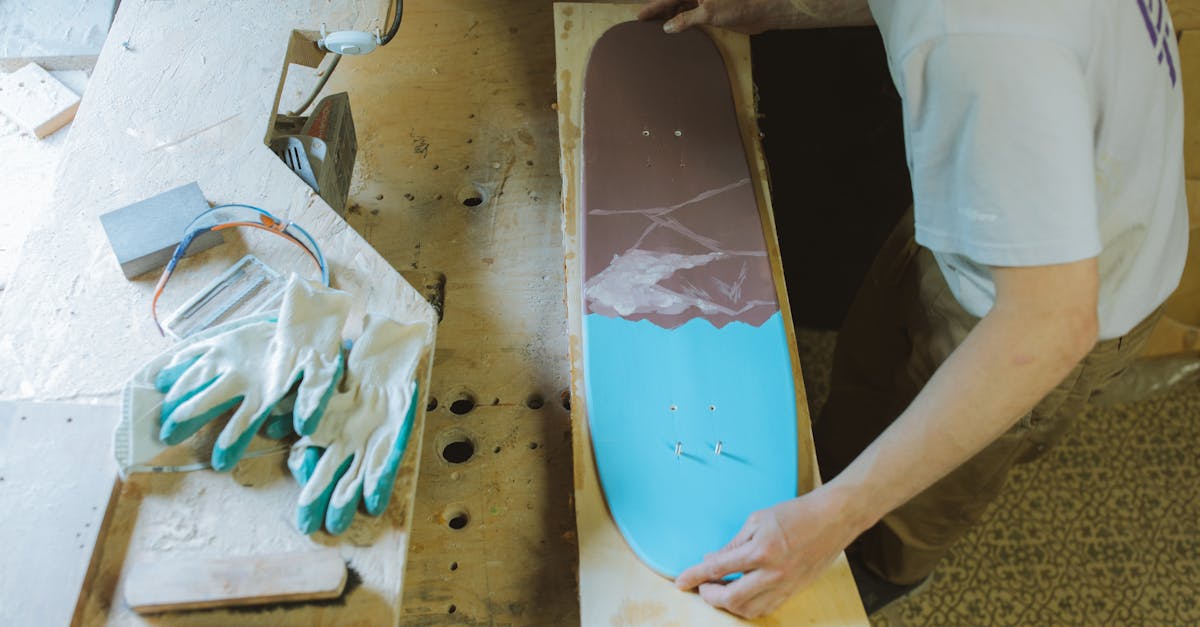
Advertisement
Repair and Fill Gaps
After sanding, inspect the floor for cracks or gaps between the boards. Use a wood filler that matches the wood's color to fill these imperfections. Apply the filler with a putty knife and allow it to dry before lightly sanding to ensure a smooth surface.
Advertisement
Staining the Wood
Consider adding a stain to enhance the floor's color or maintain its natural look. Choose a stain color that complements your decor. Use a brush or a cloth to apply the stain evenly and follow with a lint-free cloth to remove excess. Allow the stain to dry thoroughly before proceeding to the next step.
Advertisement
Applying a Finish
A finish protects the wood and enhances its beauty. Polyurethane is popular for its durability, available in oil-based or water-based options. Apply it using a lamb's wool applicator for an even layer. Plan to apply at least two to three coats, allowing each layer to dry completely and lightly sanding between coats.
Advertisement
Buffing the Surface
Buffing is a technique to smooth the finish and give the floor a glossy, polished look. A buffer machine, which can be rented, is used for circular motions across the floor. This step ensures the surface feels smooth and radiant underfoot.
Advertisement
Final Touches and Precautions
Once the buffing is complete, inspect the floor for any touch-ups to ensure perfection. To maintain the refinished hardwood, place furniture pads under legs and avoid dragging heavy objects. Regular sweeping and cleaning with appropriate solutions keep the floors looking pristine.
Advertisement
Summary and Conclusion
Restoring old hardwood floors is a rewarding project that brings warmth and elegance back into your home. From assessing and sanding to staining and finishing, each step is vital to achieve stunning results. With proper maintenance, your newly restored floors will continue to impress for many years to come.
Advertisement