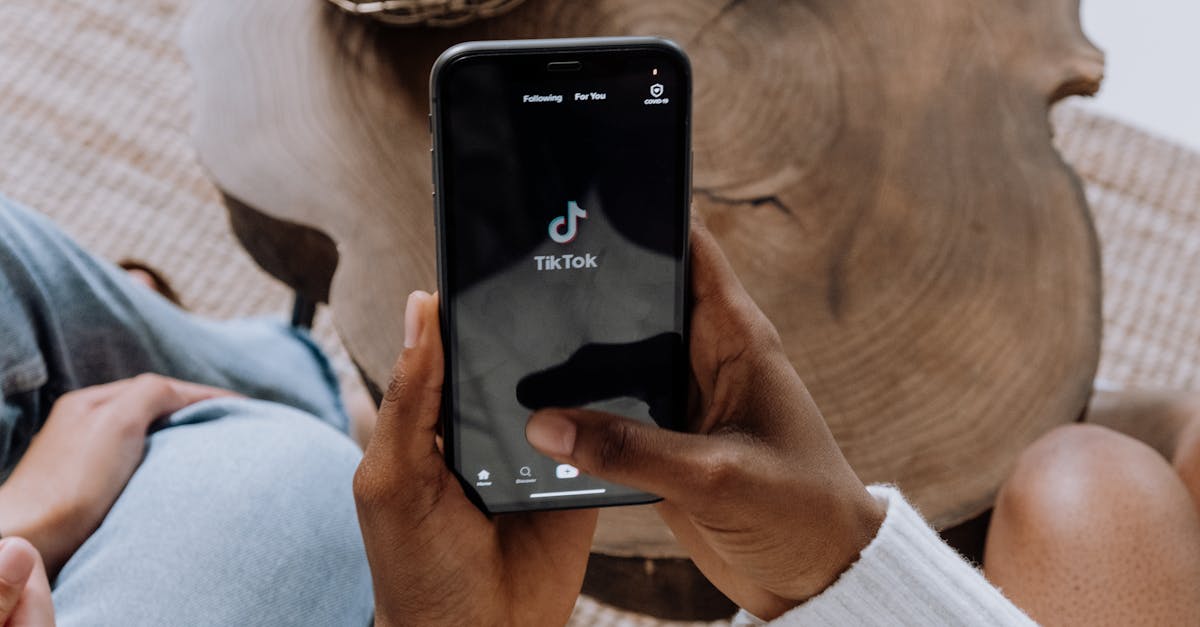
Exploring Social Media's Role in Modern Communication
Introduction
The advent of social media has revolutionized the way people interact and communicate. From personal relationships to professional networking, its influence is profound and widespread. Understanding the impact of social media on modern communication can provide insights into the evolution of human interaction.
Advertisement
Transformation of Personal Communication
Social media platforms, such as Facebook and Instagram, have redefined personal interactions. People can effortlessly stay connected with friends and family worldwide, forming virtual communities. These platforms enable the sharing of life events, milestones, and daily updates, maintaining relationships despite emotional and physical distances.
Advertisement
Instantaneous Connectivity
One of the most striking features of social media is its ability to provide real-time communication. Platforms like Twitter allow for immediate updates, enabling users to stay informed about events as they unfold. This instantaneous nature encourages participation and engagement, fostering a sense of immediacy in modern communication.
Advertisement
Bridging Cultural and Geographical Gaps
Social media has made the world a smaller place by bridging cultural and geographical divides. Users can interact with individuals from different backgrounds, gaining exposure to diverse cultures and perspectives. This global connectivity fosters understanding and empathy, diminishing the barriers that once separated us.
Advertisement
The Emergence of New Communication Norms
The rise of social media has led to the development of new communication norms and etiquettes. Emojis, memes, and hashtags are now common components of online dialogue. These elements have created a new language that transcends traditional verbal communication, enriching and diversifying human expression.
Advertisement
Influence on Professional Interaction
Social media has significantly impacted professional communication, especially in networking and job hunting. Platforms like LinkedIn facilitate career connections, allowing professionals to expand their networks and share industry insights. This shift has transformed how individuals approach career growth and development.
Advertisement
Challenges of Digital Communication
Despite its benefits, social media introduces certain challenges in communication. Misinterpretation can occur due to the lack of non-verbal cues, leading to misunderstandings. Additionally, the pressure to maintain a curated online persona can impact real-world interactions, sometimes straining authentic communication.
Advertisement
Role in Information Dissemination
Social media has become a primary source of news and information for many users. Platforms like Facebook and Twitter enable the rapid spread of information, often faster than traditional news outlets. While this has democratized access to information, it also raises concerns about misinformation and the need for critical evaluation.
Advertisement
Empowerment Through Self-Expression
Social media empowers individuals to express themselves freely and creatively. Users can share their opinions, art, and passions with a global audience, fostering a sense of identity and belonging. This newfound ability to communicate one's voice has given rise to social movements and campaigns advocating for change.
Advertisement
Conclusion
In conclusion, social media has dramatically altered the landscape of modern communication, influencing personal, professional, and global interactions. While it offers remarkable opportunities for connectivity and expression, it also poses challenges that must be navigated carefully. As social media continues to evolve, understanding its role in shaping communication remains crucial for navigating our interconnected world.
Advertisement