The Rise Of E Commerce And Its Impact On Retail
Introduction
E-commerce has revolutionized the way we shop, making it a crucial part of the modern retail landscape. As online platforms become more accessible, consumers now enjoy the convenience of shopping 24/7 from anywhere in the world. This article delves into the rise of e-commerce and its profound impact on traditional retail.

RF._.studio _/Pexels
Advertisement
The Shift to Digital Platforms
The digital transformation in retail began in the late 1990s, with e-commerce giants like Amazon paving the way. This shift has since accelerated, with more businesses creating online stores to reach a broader audience. The trend towards digital has opened new opportunities for both small and large retailers.

Markus Winkler/Pexels
Advertisement
Convenience and Accessibility
One of the most significant drivers of e-commerce growth is convenience. Consumers can now browse, compare, and purchase products without leaving their homes. Additionally, mobile technology allows shopping on-the-go, further increasing e-commerce's appeal.

MART PRODUCTION/Pexels
Advertisement
Challenges for Brick-and-Mortar Stores
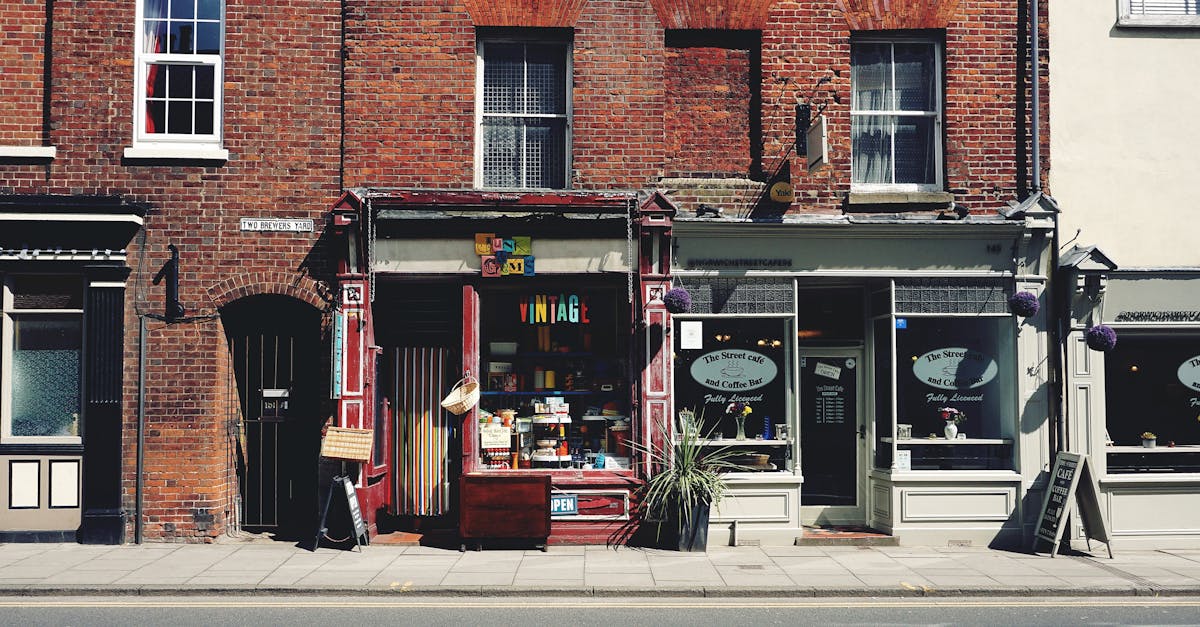
Traditional brick-and-mortar retailers face challenges ranging from declining foot traffic to increased competition. Many stores struggle to compete with the competitive pricing and vast product selection offered online. Consequently, there's been a notable rise in store closures as businesses adapt to the changing landscape.
Suzy Hazelwood/Pexels
Advertisement
Innovation and Adaptation
To survive in this new landscape, many retailers are embracing technology to enhance the in-store experience. Augmented reality, virtual fitting rooms, and personalized recommendations are examples of how stores blend digital tools with physical shopping to attract customers.

Pavel Danilyuk/Pexels
Advertisement
The Role of Social Media
Social media platforms play a crucial role in e-commerce by connecting brands with consumers. With tools like Instagram Shopping and Facebook Marketplace, retailers can reach potential buyers directly, facilitating a seamless shopping experience. This integration showcases how social media influences purchasing decisions.

MART PRODUCTION/Pexels
Advertisement
Environmental Impact
The rise of e-commerce brings environmental considerations, such as increased packaging waste and carbon emissions due to the high volume of deliveries. While some online retailers have taken steps to minimize their environmental impact, the industry as a whole continues to face scrutiny.

Emmet/Pexels
Advertisement
The Global Marketplace
E-commerce has erased geographical boundaries, allowing businesses to reach international markets with ease. Consumers benefit from access to diverse products and are no longer limited by location. This shift has led to increased globalization of commerce, bringing both opportunities and challenges.

Markus Winkler/Pexels
Advertisement
Future Trends
Looking ahead, the integration of cutting-edge technologies like artificial intelligence, machine learning, and blockchain will further reshape the e-commerce landscape. These innovations promise to streamline supply chains, enhance customer experiences, and improve operational efficiencies across the retail sector.

Michelangelo Buonarroti/Pexels
Advertisement
Summary Conclusion
In conclusion, e-commerce continues to reshape the retail industry, offering both opportunities and challenges for businesses. As technology advances, the lines between online and in-store shopping will blur, leading to a more integrated retail experience. To succeed in this evolving landscape, retailers must embrace change and innovate, meeting the ever-evolving needs of consumers.

Lukas/Pexels
Advertisement