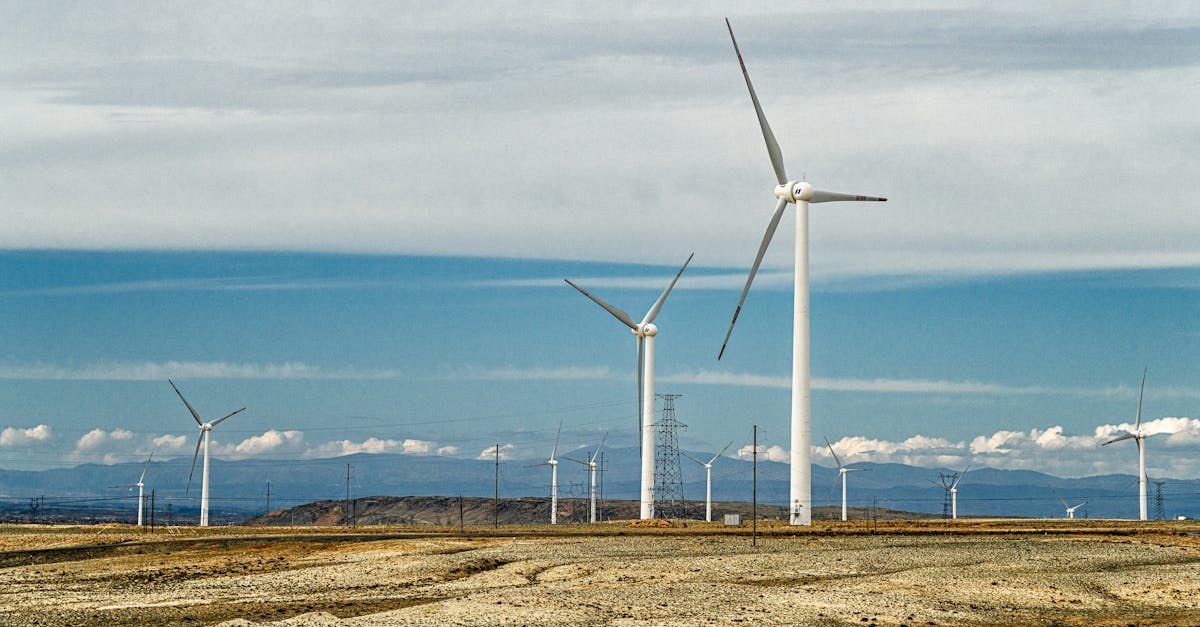
The Role of Innovation in Shaping Future Workforce
Introduction
Innovation is at the heart of transforming industries and redefining the workforce landscape. Technology and progressive ideas are driving new workplace dynamics and job opportunities. Understanding these changes is crucial to preparing for the future of work.

Andrew Neel/Pexels
Advertisement
Shifting Job Landscapes
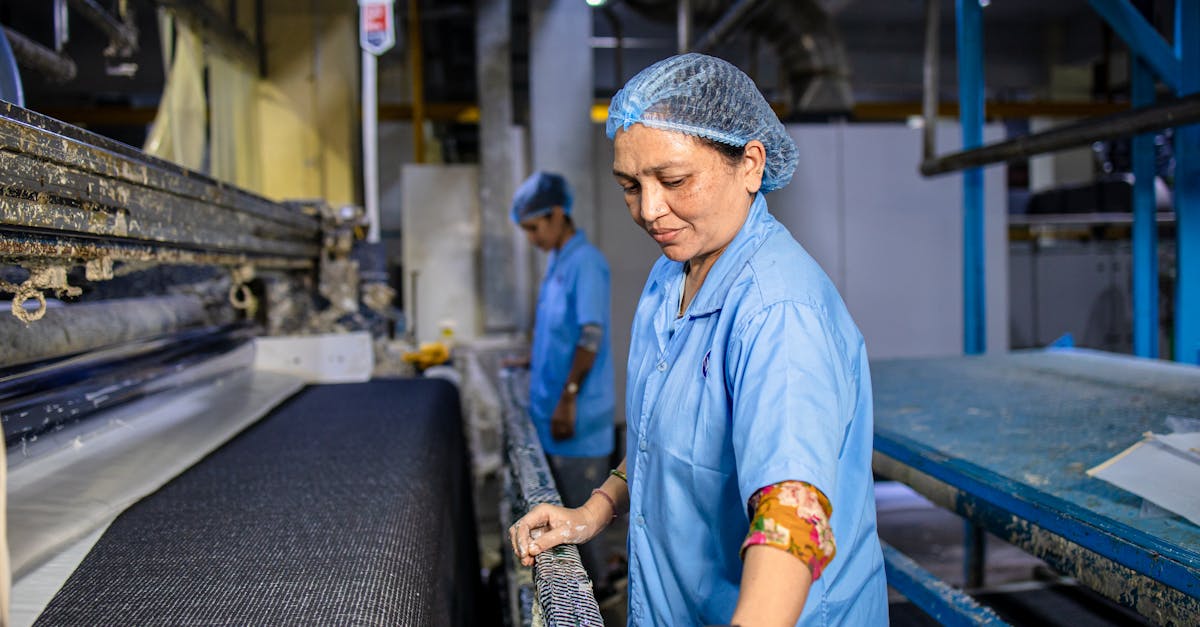
With rapid advancements in technology, many traditional jobs are becoming automated. Tasks that once required human effort are now efficiently handled by machines, such as AI and robotics. This automation reshapes the need for specific skill sets and job roles, making adaptability an asset.
EqualStock IN/Pexels
Advertisement
Evolution of Skill Requirements
As roles change, so do the skills required to perform them effectively. Emphasis is shifting toward skills like critical thinking, creativity, and digital literacy. Continuous learning and skill development are becoming necessary to stay relevant in a rapidly evolving job market.

Israyosoy S./Pexels
Advertisement
Rise of Remote Work
Innovation has made remote work more feasible and effective. With advancements in communication technologies, organizations are increasingly adopting remote work models. This shift provides flexibility and access to a global talent pool, breaking the barriers of physical office spaces.

Ketut Subiyanto/Pexels
Advertisement
Emergence of New Industries
The drive for innovation has led to the birth of entirely new industries, such as fintech, renewable energy, and biotech. These fields promise abundant opportunities and demand for specialized skills. As these industries grow, they contribute significantly to the economy and employment.

Ketut Subiyanto/Pexels
Advertisement
Focus on Sustainable Development
Innovation isn't just about tech advances; it also includes a growing emphasis on sustainability. Companies are increasingly investing in green technology and practices. This shift not only improves environmental quality but also creates jobs focused on sustainability and ecological preservation.

fauxels/Pexels
Advertisement
Customized Career Paths
With traditional career paths evolving, individuals now have more opportunities to customize their careers. Freelancing, entrepreneurship, and gig economy models allow professionals to tailor their work experiences and create unique career trajectories aligned with personal goals and lifestyles.

Anna Shvets/Pexels
Advertisement
The Role of Education
Educational institutions are adapting their curricula to prepare students for innovative work environments. There's a stronger focus on interdisciplinary learning and practical skills that match current and future job market demands, ensuring graduates are workforce-ready.

Yan Krukau/Pexels
Advertisement
Challenges and Solutions
However, with innovation comes challenges like job displacement and workforce inequality. Addressing these issues requires concerted efforts. Initiatives like retraining programs and policy reforms can help mitigate negative impacts and enable a smoother transition to the future workforce.

Yan Krukau/Pexels
Advertisement
Conclusion
Innovation is pivotal in shaping the future workforce, offering opportunities and challenges. As jobs evolve, continuous learning and adaptability become crucial. Embracing innovation allows individuals and organizations to thrive in this dynamic environment, ensuring a prosperous future.

Ann H/Pexels
Advertisement