Inflation's Impact on Consumer Spending
Introduction
Inflation is a word that frequently appears in economic discussions, capturing the attention of consumers and experts alike. As a constant rise in price levels, inflation impacts not only the cost of goods but also the purchasing power of consumers. Understanding how inflation shapes consumer spending can provide insight into economic trends and individual financial behavior.
Advertisement
Eroding Purchasing Power
Inflation gradually diminishes the value of money, meaning consumers can buy fewer items with the same income. As prices rise, households experience reduced disposable income, causing tighter budgets. This squeeze forces families to prioritize essential items, often sacrificing discretionary spending on non-essential goods and services.

John Patrick Gabriel/Pexels
Advertisement
Shifting Consumer Priorities
With inflation influencing prices, consumers often re-evaluate their spending priorities. Basic necessities such as food, housing, and healthcare take precedence over luxury or optional purchases. Consequently, industries related to non-essential goods may see a decline in demand, prompting businesses to recalibrate their offerings and pricing strategies.

Arina Krasnikova/Pexels
Advertisement
Increased Sensitivity to Prices
Price sensitivity intensifies during inflationary periods, making consumers more conscious of price changes. Shoppers become adept at comparing prices, seeking discounts, and prioritizing sales. This behavior not only affects individual buying habits but also pressures retailers to introduce competitive pricing, promotions, and loyalty programs to retain and attract customers.
Advertisement
Stockpiling and Anticipatory Purchases
Faced with rising prices, consumers might engage in anticipatory purchases, buying in bulk to avoid future cost increases. Products with longer shelf lives, like canned goods and household supplies, often fly off the shelves. This consumer behavior can lead to supply shortages and heighten demand, further complicating the inflationary cycle.

Alexas Fotos/Pexels
Advertisement
Impact on Credit and Savings
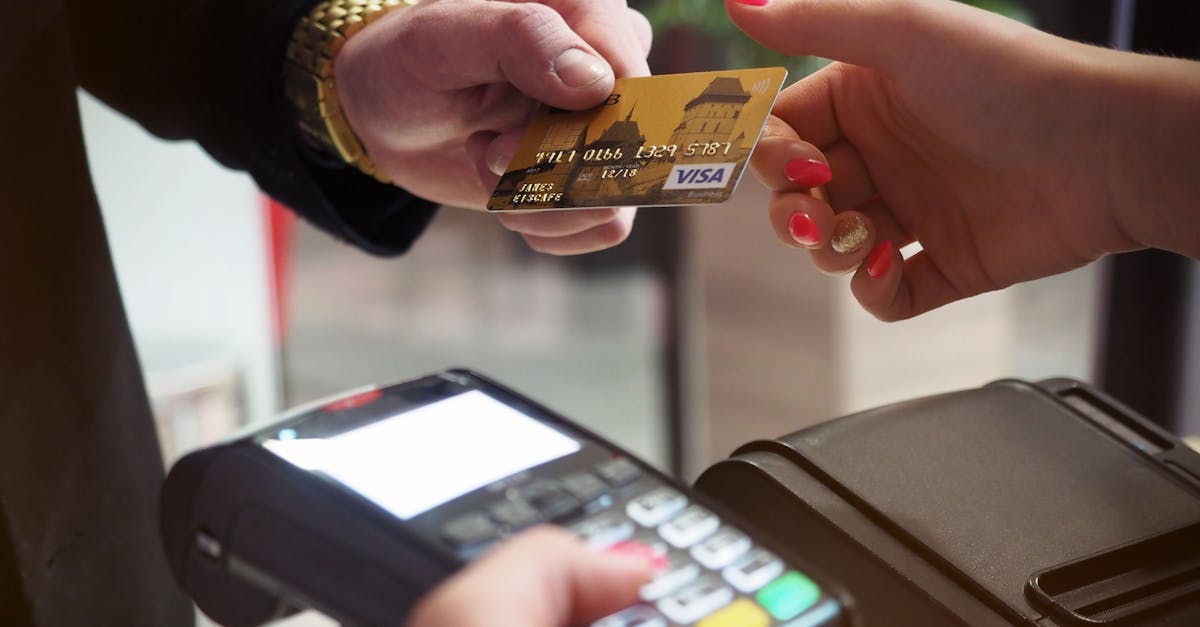
Inflation affects consumer financial decisions, including credit use and savings behavior. As the cost of living rises, individuals might rely more on credit for everyday purchases. Simultaneously, inflation erodes the real value of savings, leading consumers to reconsider investment strategies, often seeking higher returns to counteract inflation's impact.
energepic.com/Pexels
Advertisement
Adapting to Economic Uncertainty
Uncertainty surrounding inflation can lead to cautious consumer behavior. The fear of further financial strain may cause individuals to delay major purchases, such as cars or home renovations. Economic uncertainty also influences employment decisions, prompting some to seek additional income sources or more secure job opportunities.

Nicola Barts/Pexels
Advertisement
Wider Economic Implications
Changes in consumer spending ripple through the economy, affecting various sectors. Businesses may face reduced profit margins as inputs become expensive, leading to cutbacks and pricing adjustments. Meanwhile, central banks might adjust interest rates to curb spending, aiming to stabilize prices and regain consumer confidence.

Lukas/Pexels
Advertisement
The Role of Government Policy
Government policies play a crucial role in managing inflation and its impact on consumer behavior. Fiscal measures such as subsidies or tax credits can provide relief to households, easing financial burdens. Monetary policies, including interest rate adjustments, are tools to regulate spending, investment, and ensure economic stability.
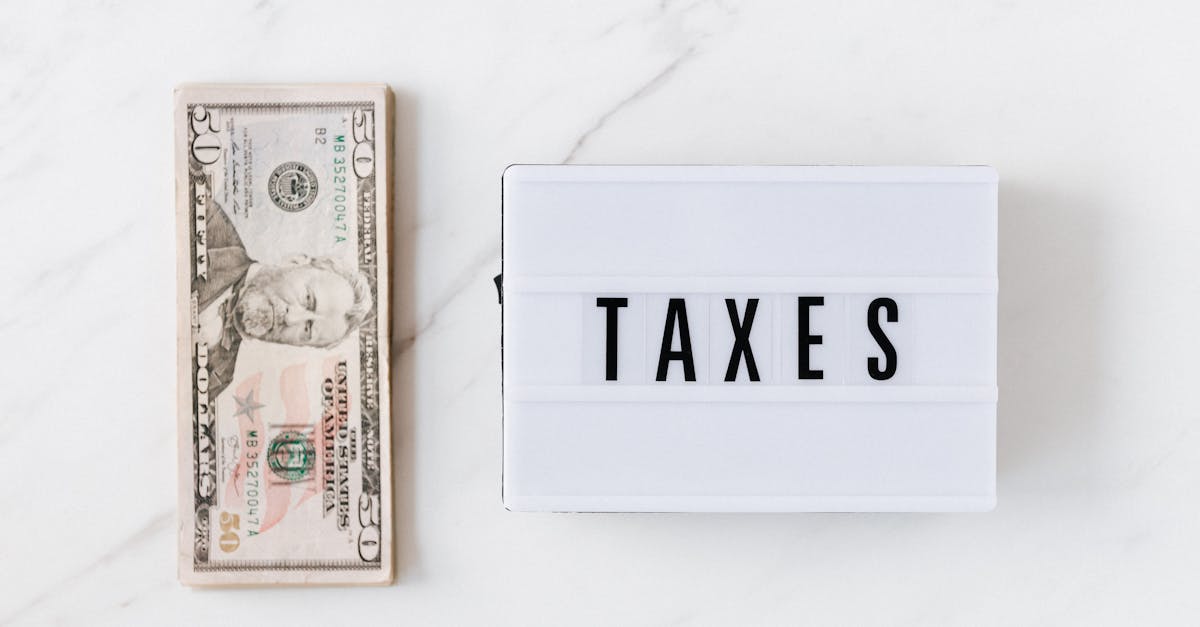
Photo By: Kaboompics.com/Pexels
Advertisement
Summary and Conclusion
Inflation exerts profound effects on consumer spending, reshaping priorities and financial habits. Recognizing these patterns is essential for adapting to economic shifts. Both individuals and policymakers must work collaboratively to navigate the challenges posed by inflation, ensuring a stable financial future for all.

Kindel Media/Pexels
Advertisement