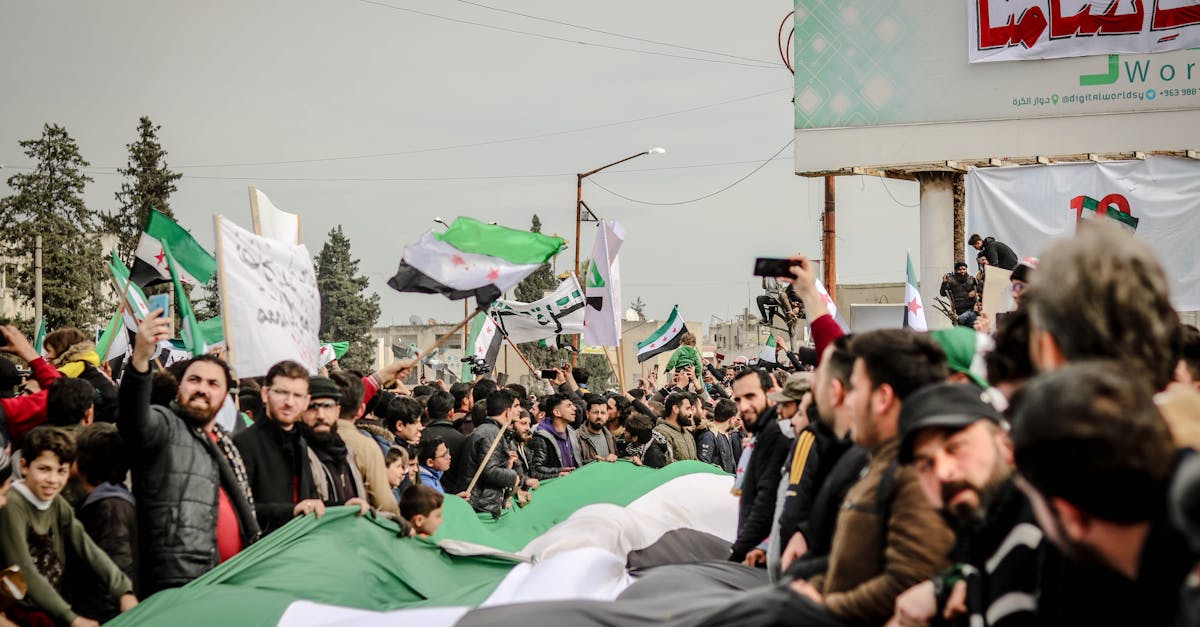
Exploring Political Tensions Worldwide
Introduction
Political tensions between major world powers have shaped global relations for centuries. These conflicts often arise from differing ideologies, economic interests, or territorial disputes. In today's interconnected world, the implications of these tensions are felt far beyond the borders of the involved nations.
Advertisement
Historical Context
Throughout history, political tensions have played a pivotal role in determining the power dynamics between nations. From the Cold War of the 20th century to more recent conflicts, these events have influenced diplomatic relations and shifted alliances, deeply affecting the global community.
Advertisement
Differing Ideologies
Ideological differences are often at the root of political tensions. Western democracies advocating for freedom and individual rights often clash with autocratic regimes prioritizing state control. These divergent views can lead to diplomatic standoffs and influence public perceptions and policy decisions.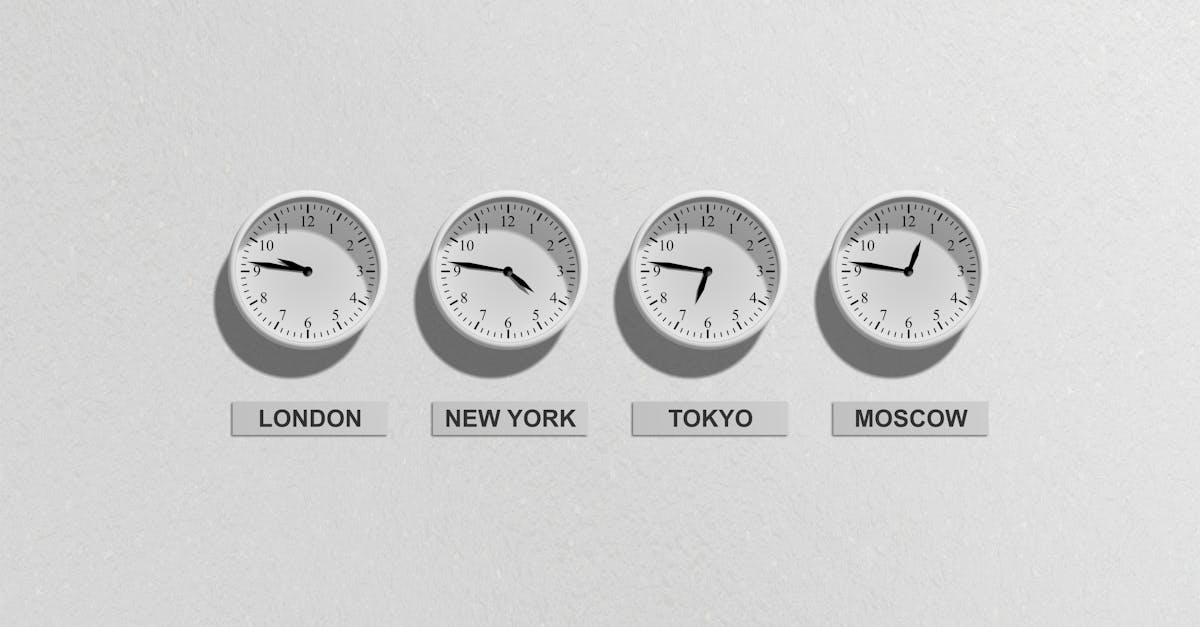
Advertisement
Economic Interests and Trade Wars
Economic competition is another major factor contributing to political tension. Nations vie for access to resources, markets, and technological advancements, sometimes leading to trade wars. These disputes can escalate quickly, impacting global supply chains and creating ripples in the world economy.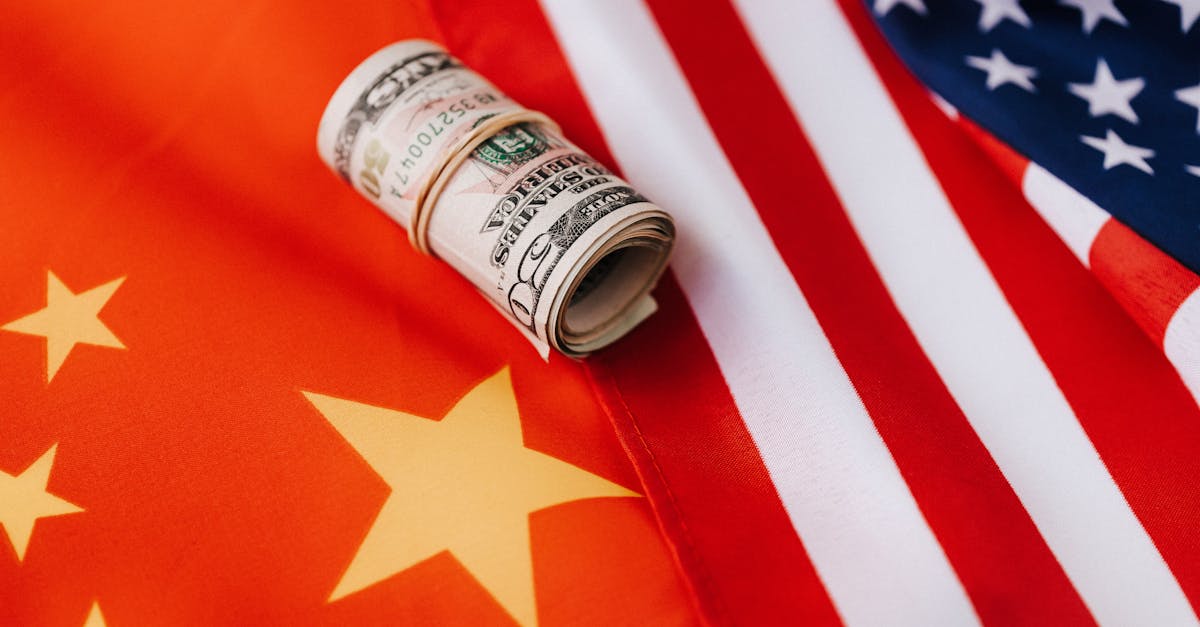
Advertisement
Territorial Disputes
Territorial claims are a longstanding source of political tension. Whether it's the South China Sea, the disputed regions of Eastern Europe, or other contested areas, these territorial disputes can lead to military confrontations, affecting regional stability and international relations.
Advertisement
The Role of Military Alliances
Military alliances play a critical role in shaping political tensions. NATO, for instance, represents a united front of Western powers, often leading to counteractions from other nations like Russia or China. These alliances influence defense strategies and often dictate the course of international events.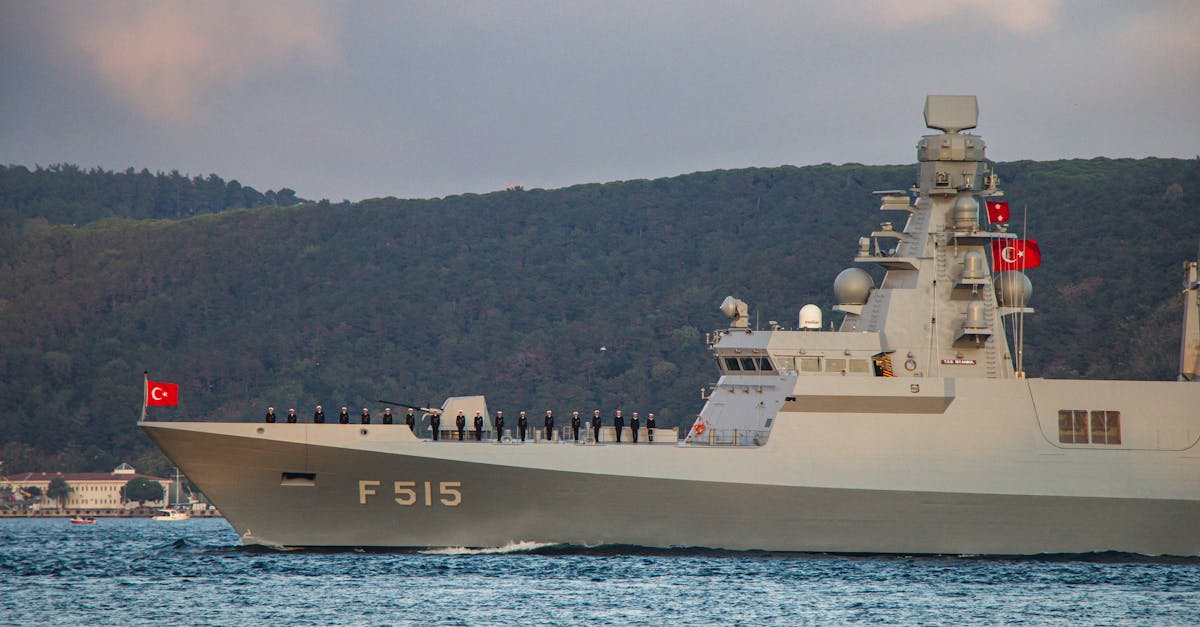
Advertisement
Cybersecurity and Espionage
In the digital age, cybersecurity is a new frontier for political tension. Nations engage in cyber-espionage, creating tensions and mistrust. The theft of sensitive information and cyber-attacks on infrastructure can lead to diplomatic breakdowns and retaliation, further complicating international relations.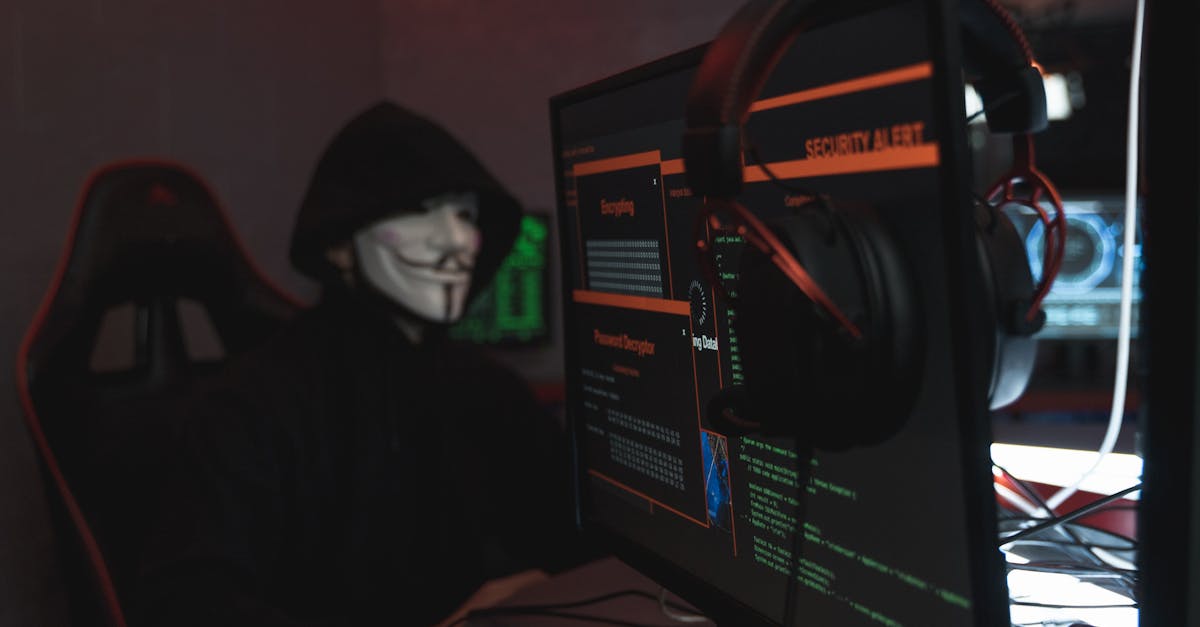
Advertisement
The Role of International Organizations
International organizations like the United Nations serve as platforms for resolving tensions. They aim to mediate conflicts, providing forums for dialogue and negotiation. However, their effectiveness often hinges on the cooperation and willingness of involved nations to engage constructively.
Advertisement
Media and Public Perception
Media plays a crucial role in shaping public perception during political tensions. News outlets can influence opinions and heighten emotions, exacerbating conflicts. Responsible journalism and unbiased reporting are vital for offering a balanced view of complex international issues.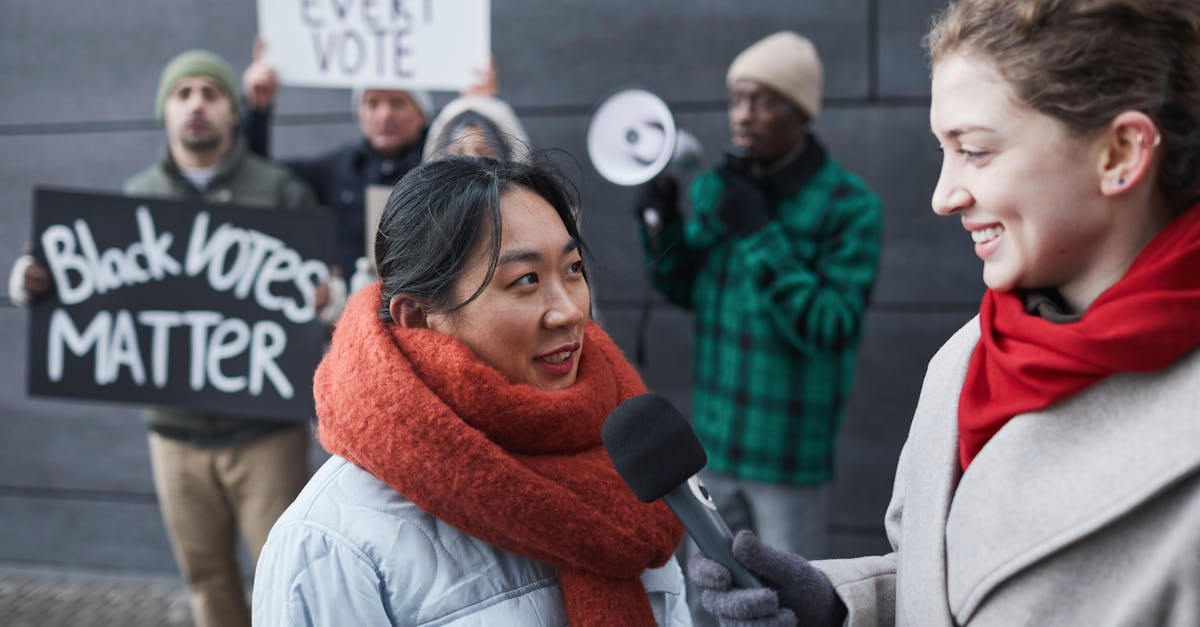
Advertisement
Conclusion
In conclusion, political tensions between major world powers continue to influence global dynamics. Understanding their root causes and complex interactions is crucial for mitigating conflicts. As world citizens, recognizing these tensions' impact on our lives encourages informed discussions and peaceful resolutions.
Advertisement