The Economic Impact Of Inflation On Everyday Consumers
Introduction
Inflation influences various aspects of our daily lives, impacting the cost of goods and services. It signifies an increase in prices that decreases the purchasing power of money. Understanding inflation's effects can help consumers manage their finances effectively.
Advertisement
Understanding Inflation
Inflation is a steady increase in the prices of goods and services. It leads to the erosion of currency value, meaning you can buy less with the same amount of money. It affects economies worldwide, influencing both individual consumers and broader economic structures.
Advertisement
Consumer Purchasing Power
As inflation rises, the purchasing power of consumers decreases. A fixed salary now buys fewer groceries, clothing, or gasoline. This decline forces consumers to reevaluate their spending habits, potentially cutting non-essential expenses to afford necessities.
Advertisement
Effect on Household Budgets
Inflation strains household budgets, especially for families with limited financial flexibility. Basic expenses such as housing, utilities, and food may consume a larger share of the household income. Without wage increases that match inflation, maintaining the same lifestyle becomes challenging.
Advertisement
Increased Borrowing Costs
In response to inflation, central banks often raise interest rates to curb money supply. This leads to increased borrowing costs, affecting loans and mortgages. Consumers face higher monthly payments, making it more expensive to finance houses, cars, or education.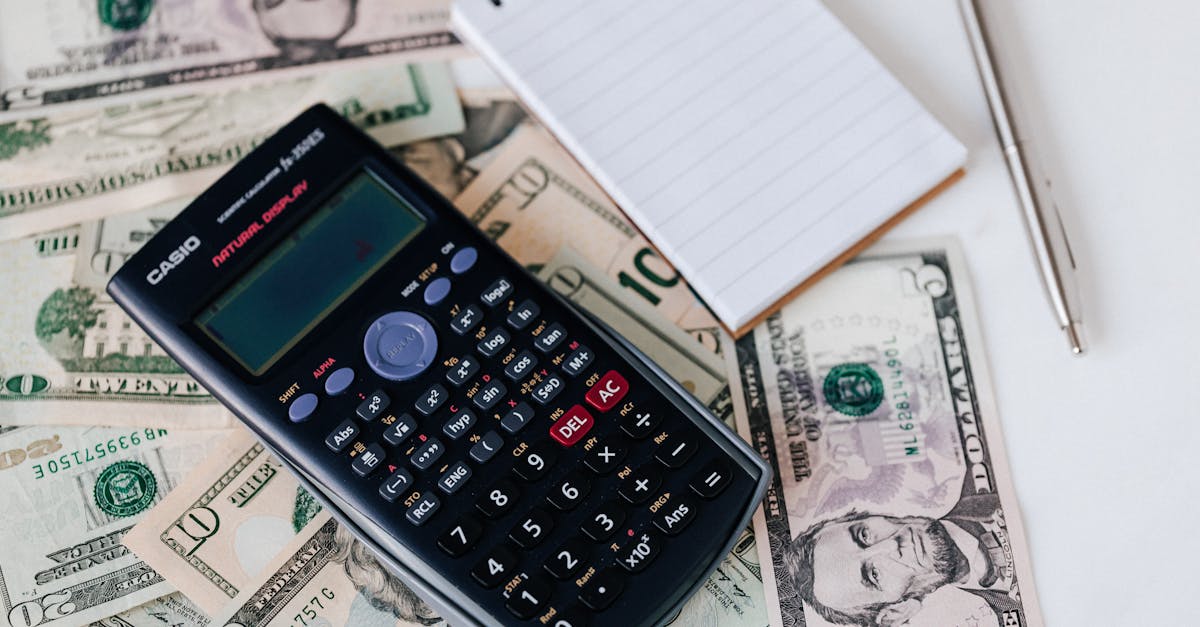
Advertisement
Impact on Savings
Inflation erodes the real value of savings. Money saved in low-interest accounts could effectively lose value over time. Consumers need to seek ways to invest their savings in higher-yield opportunities to offset inflation's effects and preserve capital.
Advertisement
Effect on Consumer Confidence
High inflation can dampen consumer confidence, leading to reduced spending. People may postpone purchases due to uncertainty about future price increases. This reduced spending can slow economic growth, affecting businesses reliant on consumer spending.
Advertisement
Inflation and Employment
Although high inflation poses challenges, it can also stimulate the economy and create jobs. Businesses may increase hiring to meet demand during inflationary periods. However, if inflation rises too quickly, it can lead to economic instability and increased unemployment.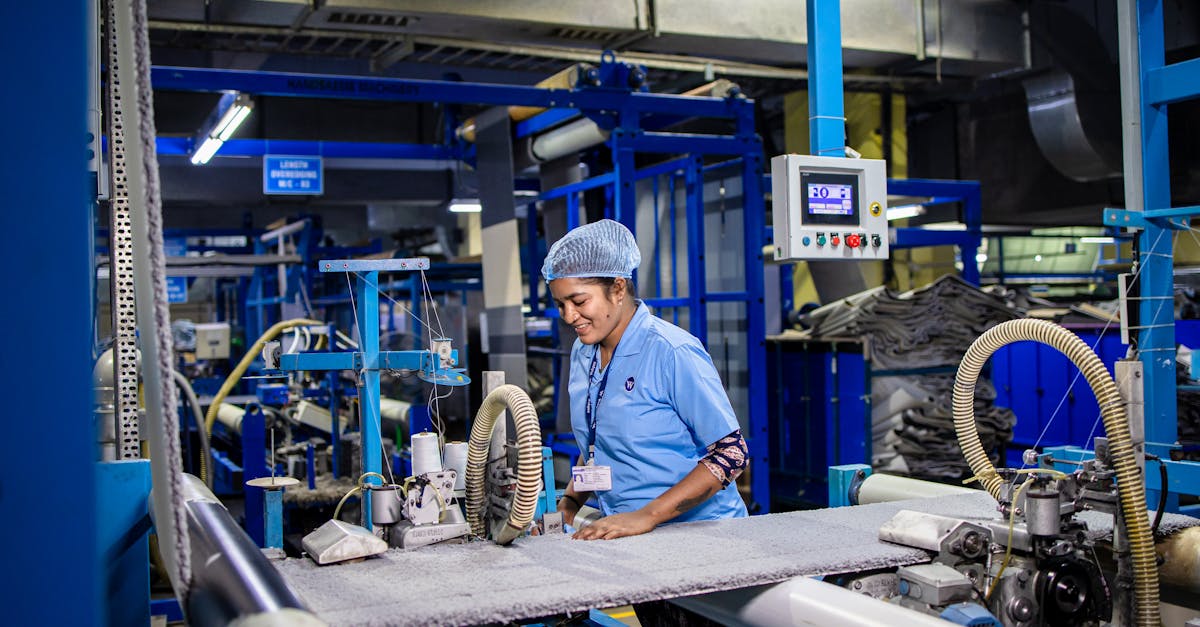
Advertisement
Strategies to Cope with Inflation
Consumers can adopt several strategies to mitigate inflation's effects. Budgeting, smart shopping, and seeking investment opportunities with better returns can help. Staying informed about inflation trends and adjusting financial plans accordingly ensures better preparedness.
Advertisement
Conclusion
Inflation presents both challenges and opportunities for everyday consumers. By understanding its impact and adopting strategic financial decisions, individuals can better navigate economic shifts. Staying informed and proactive in financial planning can alleviate the pressures of rising costs.
Advertisement